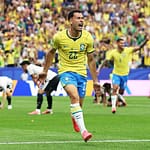



Rumo ao Hexa, Chapter Two: Brazil’s Long Road to 2030

eyesonbrasil
By the time the final whistle blew in East Rutherford, the image was already written. Norway’s players were flinging spare balls into the air and twirling their shirts. Vinícius Júnior, one of the best players in the world, could only lean back and watch.
Brazil had gone out in the Round of 16. It was their earliest World Cup exit since 1990, when Argentina knocked them out at the same stage, and the Seleção had reached at least the quarter-finals in each of their previous eight World Cups. By the time 2030 arrives, the wait for a sixth star on the shirt will stand at 28 years, the longest in Brazil’s history.
The “Rumo ao Hexa” (Road to the Sixth) campaign has become a ritual of Brazilian football: the hope, the squad announcements, the heartbreak. Now the cycle begins again, with two questions hanging over it. Will Carlo Ancelotti be the man to finish what he started? And will Vinícius Júnior be the star Brazil build around?
How It Fell Apart
The tournament did not look like a disaster at first. Brazil drew 1-1 with Morocco in their opener, beat Haiti and Scotland 3-0 to top Group C, and then edged Japan 1-0 in stoppage time in the Round of 32. Uneven, certainly, but alive.
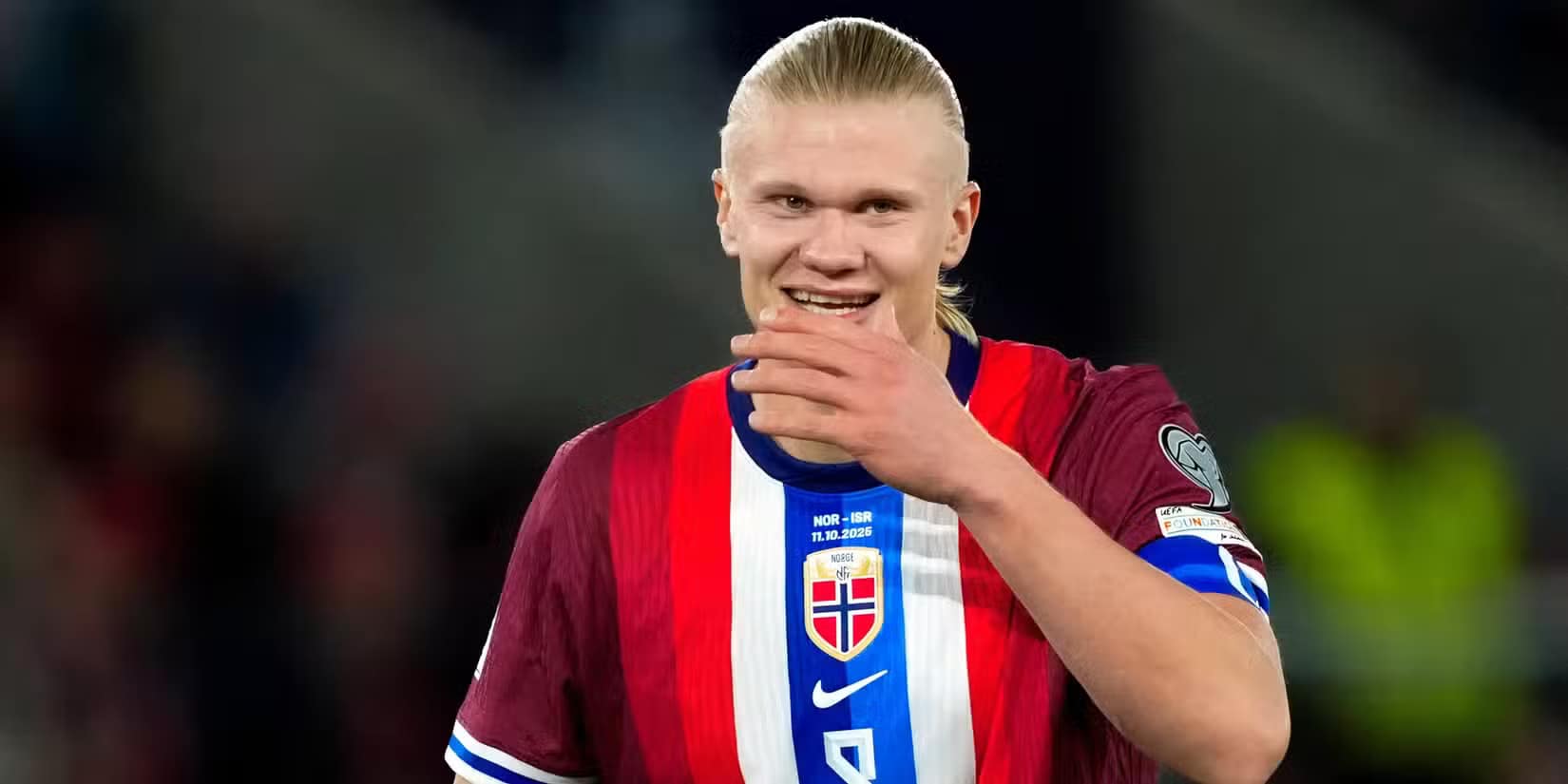
Against Norway, the margins turned. Brazil won an early penalty when Matheus Cunha was upended, but Bruno Guimarães took it, not Vinícius, and Norway’s goalkeeper saved it. Erling Haaland then scored twice in 11 minutes, and Neymar’s consolation penalty came late in the game, too late to matter. Ancelotti’s explanation for the penalty decision was that the team’s statistics had pointed to Bruno as the best option. It did not play well with a country that wanted its biggest star to take the kick.
Injuries to Raphinha and Lucas Paquetá during the tournament, and the absences of Estêvão, Rodrygo and Éder Militão beforehand, left the team short of creators. The squad that left North America looked like a team in transition that had not been told it was in transition.
Will Ancelotti Stay?
On paper, yes, and emphatically. Ancelotti took charge in May 2025 after leaving Real Madrid, and signed a contract extension in May this year that runs to the 2030 World Cup. After the exit, the CBF did not flinch. Reports indicated the federation and Ancelotti had agreed to honour the existing contract, with a rebuild aimed at the 2028 Copa América and then the 2030 World Cup.
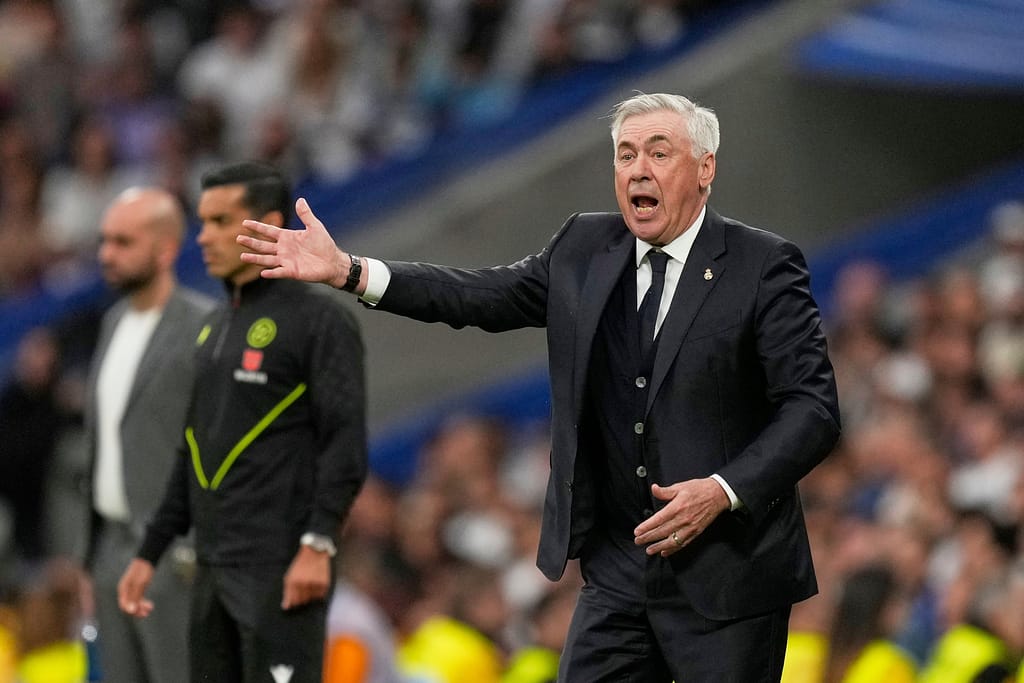
Ancelotti has framed the defeat as an opening, not a verdict. He said the loss would be used as fuel for the new cycle, and that the midfield in particular needs fresh faces. He was blunt about the squad too, saying he would build a new team by testing young players, without ruling out some World Cup veterans who still have a lot to give.
And he has acted on it. His first post-tournament squad included 16 uncapped players and omitted Neymar, Alisson, Ederson and Casemiro. Only nine players from the World Cup squad were retained. Neymar has also retired from international football, which closes an era Brazilian fans have been dreading and delaying for years.
The first signs have been encouraging. Brazil beat India 4-0 in Kolkata, with Estêvão, Pedro and Samuel Lino scoring. A friendly against India proves little, but it was a promising start for a team with a new spine.
There are real risks to the plan, though. Ancelotti will be around 71 by the 2030 tournament, and the CBF’s patience has limits: his predecessor Dorival Júnior was dismissed after only 14 months in charge. Qualifying for 2030 is slated to start in the second half of 2027, and the 2028 Copa América arrives as an early test. If results turn sour in either, the contract through 2030 may count for less than it appears to now. But for now, the federation has committed, and Ancelotti, a man who has won everything at club level and has never once looked flustered by a crisis, has the one thing a national-team coach rarely gets: time.
Will Vinícius Be the Star?
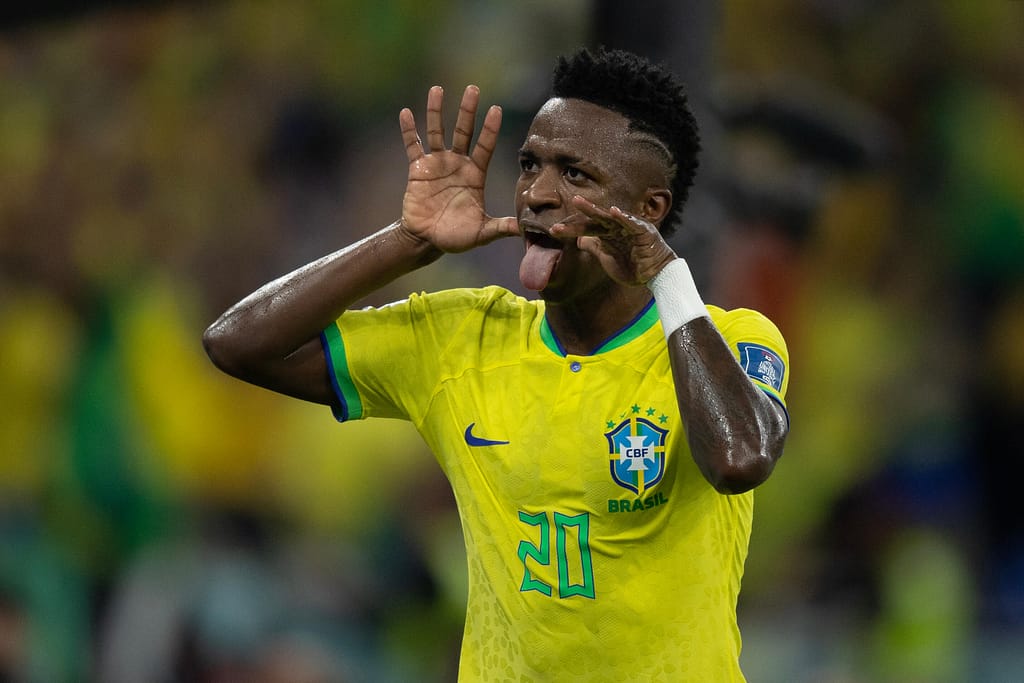
The case for Vinícius is stronger than the Norway defeat suggests. He scored four goals and added an assist in Brazil’s five matches, doing a lot to fill the gap left by his injured teammates. The criticism he has received is partly a legacy of his past. He arrived at the tournament with only eight goals in 47 appearances for the Seleção, and that statistic has followed him for years. Ronaldo Nazário said Vinícius had not had a good tournament, a judgment many analysts disputed given that he was by far Brazil’s best player, with four goals and an assist.
His own response was to apologise publicly to fans and promise to keep trying to put Brazil back on top. Whether that is humility or burden depends on how you look at it. The weight of being the face of Brazilian football, with Neymar gone and no obvious heir, is enormous and rarely fair.
At 2030, he will be turning 30, still within a forward’s prime, and Ancelotti has made clear he sees Vinícius, Raphinha, Marquinhos and Bruno Guimarães as crucial for the future. But whether he is the star or one of several is the more interesting question. Real Madrid teammate Endrick and Chelsea’s Estêvão, who missed the World Cup through injury, are both in Ancelotti’s plans, and Raphinha remains a creative force when fit. Estêvão returned to the international fold in the first post-World Cup friendly, alongside Vinícius, Endrick and Raphinha in the starting XI.
That might be the best outcome for Brazil. A team built around one man tends to fall with him. A team where Vinícius is the headline act, supported by a generation that grew up idolising him, looks like a more resilient answer to the tournament that just ended.
What Needs to Change
Three things will decide whether this cycle ends differently.
Midfield and balance. Ancelotti himself identified the midfield as the area to rebuild. With Casemiro and Fabinho out of the picture, finding a controlling presence is the most urgent task.
A defensive identity. Ancelotti has long insisted that a team must defend as a unit before it expresses itself, but Norway showed how easily Brazil can be stretched when the structure wobbles.
Patience from everyone. Marquinhos and Ancelotti both asked for it after the exit. Brazil does not do patience well, and the margin for error in qualifying is thin.
The Verdict
The honest answer to “Will Ancelotti continue?” is: almost certainly through the next two years, and probably until 2030 if the results hold. The honest answer to “Will Vinícius be the star?” is: probably yes, but Brazil’s best hope is that he doesn’t have to be the only one.
The Hexa has been the national obsession for more than two decades. It will not be settled by a tournament, a coach, or a single player. It will be settled by whether the generation now stepping into Ancelotti’s squad is ready by the time the world arrives in Spain, Portugal and Morocco in 2030. The rebuild has begun, and for the first time in years, Brazil seem to be building rather than just hoping.
Sources are current to mid-October 2026. Squads, contracts and qualifying schedules may change.