


São Paulo’s Carbon Moment

Inside the 4th Brazilian Climate and Carbon Conference
eyesonbrasil
Amsterdam, July 29, 2026 – Nine months after the world’s diplomats packed up their translation headsets and left the Amazonian heat of Belém, Brazil’s carbon market is about to get its next big stage — this time in the glass-and-concrete sprawl of São Paulo.
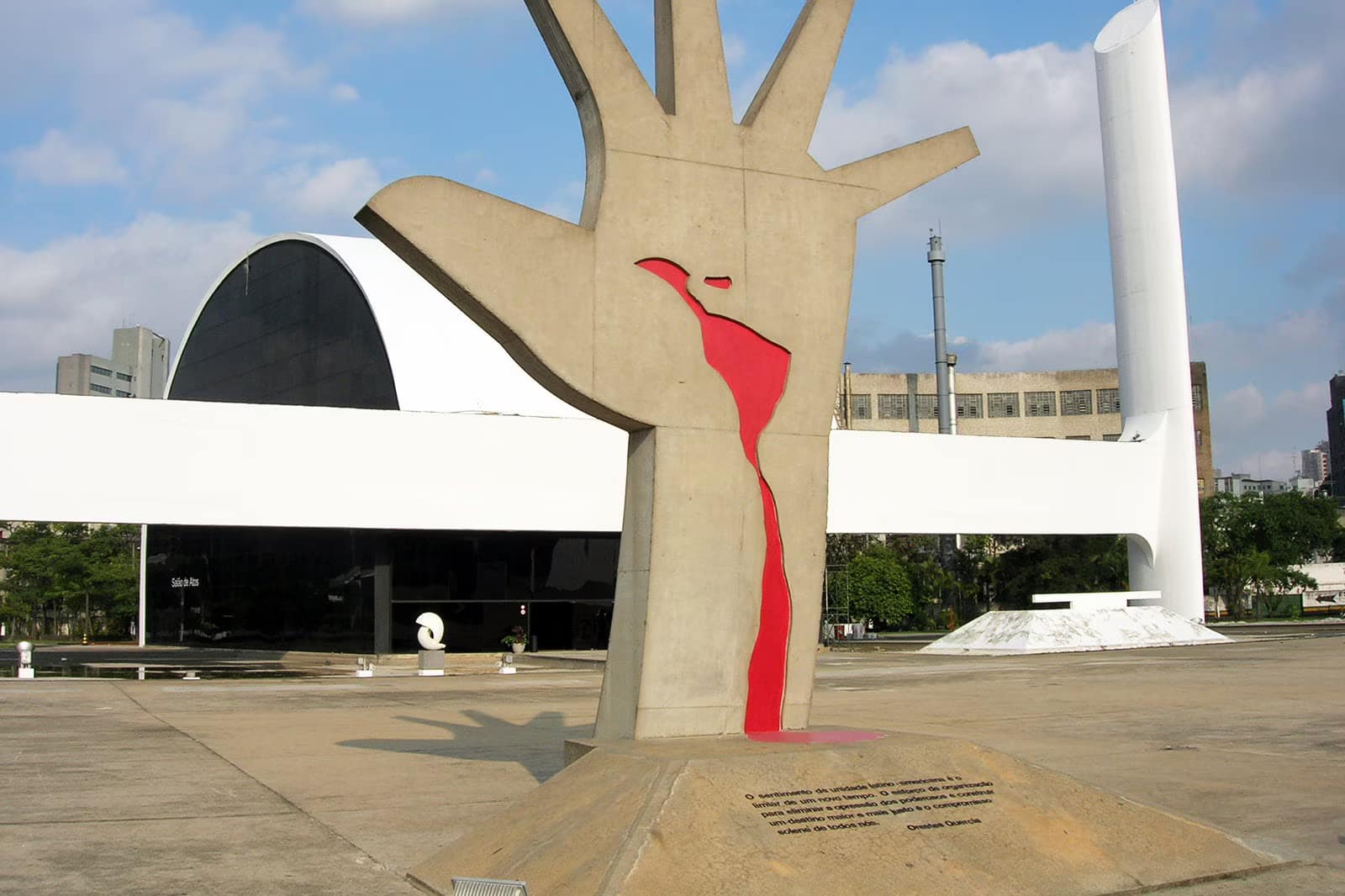
The Conferência Brasileira Clima e Carbono (CBCC), organized annually by the Aliança Brasil NBS, returns for its fourth edition on August 27–28, 2026, at the Memorial da América Latina. The conference has become the leading meeting point for climate and carbon market players in Brazil. Three editions in, it’s grown from a niche gathering into something closer to Brazil’s answer to Davos-for-carbon-nerds — government officials, financiers, Indigenous community representatives, and corporate sustainability chiefs all under one roof.

But this year carries extra weight. The 2026 edition lands at a decisive moment, as Brazil moves into the post-COP30 implementation phase and advances regulation of its national emissions trading system. Put simply: COP30 was where Brazil made its promises to the world in front of the cameras. CBCC 2026 is where the country has to start explaining, in granular policy detail, how it’s actually going to keep them.
What’s on the Agenda
According to the organizers, the program will be built around several core pillars: strengthening a carbon market with environmental integrity and regulatory security, decarbonizing strategic sectors of the economy, forest carbon projects and nature-based solutions with territorial governance and community participation, climate finance and green investment, carbon valuation and traceability standards, and building a just and inclusive transition that generates income in local territories.
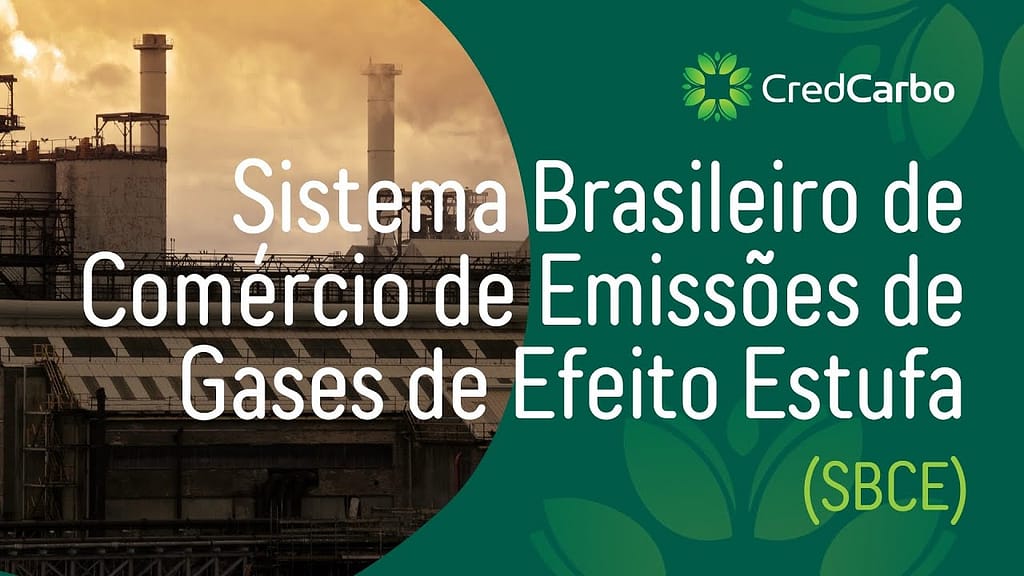
The carbon credits conversation will be unusually concrete this year. Brazil’s Sistema Brasileiro de Comércio de Emissões (SBCE) — its forthcoming national cap-and-trade system — is moving from legislative text into actual operating rules, and CBCC has historically served as the venue where the private sector gets to poke at those rules before they’re locked in. Expect deep dives into corresponding adjustments under Article 6 of the Paris Agreement, forest-carbon methodologies (REDD+ and beyond), and the credibility gap that has dogged voluntary carbon markets for years — the perennial question of whether a credit actually represents a ton of carbon that wouldn’t otherwise have been emitted.

endorsed by Commission President Ursula von der Leyen among other world leaders at COP30 in Belem, Brazil, in November 2025.
There’s also a geopolitical backdrop worth noting: the Open Coalition on Compliance Carbon Markets, a bloc launched at COP30 in Belém, is pushing for a global emissions cap with a border adjustment mechanism and preferential terms for lower-income countries. By March 2026, its working group had shifted focus to practical implementation, engaging governments and industry across Southeast Asia, Africa, and beyond — exactly the kind of “regulation meets practice” theme CBCC has built its identity around.
Argentina: A Very Different Playbook
If Brazil is trying to build a carbon market from the top down — a national registry, a compliance system, a regulator — Argentina under Javier Milei is doing almost the opposite.

Milei came into office promising to shrink government, and climate policy took some of the earliest hits. His administration has restructured the national government substantially, reducing the former Ministry of Environment to a sub-secretary level, and in April 2026 went further still, dissolving Argentina’s national directorate for sustainable development and climate management along with its climate impact office. An early Milei-backed bill even tried to establish a national emissions trading system, but opposition forced all ETS references out of the revised framework law by April 2024, though newer legislative proposals for minimum project standards have since resurfaced.
What’s filled the vacuum is something closer to a bottom-up, market-led approach. Trading activity currently runs mostly through the private Bolsa Argentina de Carbono platform, which isn’t yet integrated into the government’s national mitigation project registry and isn’t subject to state oversight. Meanwhile, provinces are doing their own thing: Misiones, Santa Fe, Jujuy, and Córdoba have each launched regulatory initiatives, with Misiones advancing a jurisdictional REDD+ program. There’s even a homegrown event mirroring CBCC — the Argentina Carbon Forum, held at the Buenos Aires Stock Exchange, brought together policymakers, project developers, and standards bodies to discuss Article 6 and carbon market infrastructure.

The irony analysts keep pointing to: despite Milei’s well-known skepticism toward climate policy generally, there’s a growing recognition in Buenos Aires that selling carbon credits abroad could bring much-needed dollars into a heavily indebted economy — climate policy as a hard-currency play rather than an environmental one.
The Lula–Milei Chill
Whatever gets discussed in São Paulo will happen against the backdrop of a genuinely ugly moment in Brazil-Argentina relations. The personal feud between Milei and Lula has escalated into the most serious diplomatic rift between the two countries in years. Things came to a head after Milei traveled to São Paulo, skipped a meeting with Lula, and instead appeared at an event backing Flávio Bolsonaro’s presidential campaign — even accusing the Brazilian government of funding an “anti-Argentina campaign” during the 2026 World Cup. Brazil’s foreign minister responded by recalling the country’s ambassador to Buenos Aires.

That’s the kind of rupture that tends to freeze bilateral cooperation — but carbon markets have quietly become somewhat insulated from presidential theatrics, since so much of the actual work happens between technical regulators, exchanges, and private standard-setters rather than heads of state. Still, don’t expect any joint Brazil-Argentina carbon initiatives to be announced this August. With Mercosur coordination already strained and diplomatic channels frosty at the top, regional harmonization of carbon rules — something both countries would arguably benefit from as Article 6 trading scales up — looks unlikely to advance through official channels anytime soon.
Will the United States Show Up?
Officially, don’t count on the American flag. On January 7, 2026, the Trump administration announced it was withdrawing the United States from the UNFCCC itself, and the U.S. withdrawal from the Paris Agreement became effective on January 27, 2026 — making the U.S. the only country to have ever left the UNFCCC. That puts Washington outside essentially every formal international climate process, including the Article 6 credit-trading mechanisms that Brazil and Argentina are both trying to plug into.
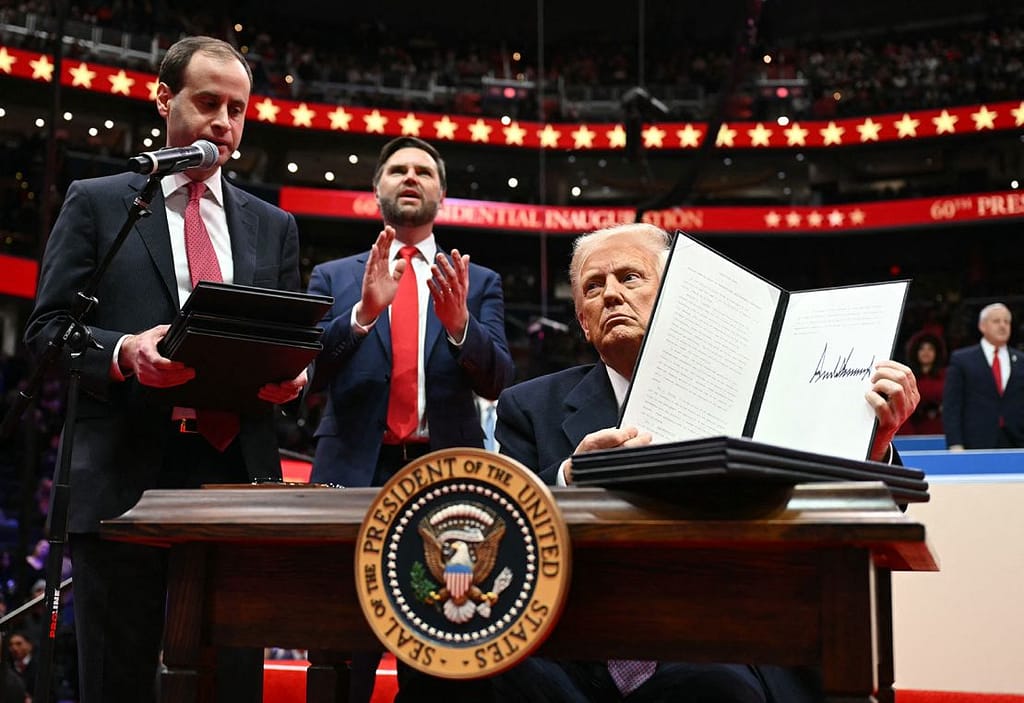
But CBCC isn’t a UN summit — it’s an industry-led gathering, and American capital has never needed a government seal of approval to chase a good return. U.S.-based funds, exchanges, and corporate buyers have remained active in Latin America’s voluntary carbon market even as federal policy has swung hard against climate multilateralism; expect some of that private-sector presence in São Paulo even without a State Department badge in sight.
The Bigger Picture
What makes CBCC 2026 interesting isn’t just the panel topics — it’s the contrast on display. Brazil is trying to prove that a state-built compliance market can have integrity. Argentina is betting that light-touch, province-by-province market activity can attract capital just as well. The two governments aren’t currently speaking to each other. And the country that used to anchor global climate diplomacy has stepped outside the room entirely.
Somewhere in that mess of contradictions is probably where the next generation of Latin American carbon policy actually gets made.
Sources
- Aliança Brasil NBS — CBCC 2026
- Open Coalition on Compliance Carbon Markets — Wikipedia
- Climate Action Tracker — Argentina Policies & Action
- ICAP — Argentina ETS
- Columbia CGEP — Argentina
- Global Carbon Council — Argentina Carbon Forum 2026
- Carbon Pulse / QC Intel — Argentina at a “turning point”
- Sri Lanka Guardian — Milei-Lula diplomatic rift
- Buenos Aires Herald — Milei triggers diplomatic crisis
- Harvard EELP — Paris Agreement Tracker
- Carbon Brief — Q&A on US exit from UNFCCC/IPCC