While COP31 struggled with absent leaders and thin pledges, Finland’s president argued that cutting emissions and building a competitive economy are the same project.
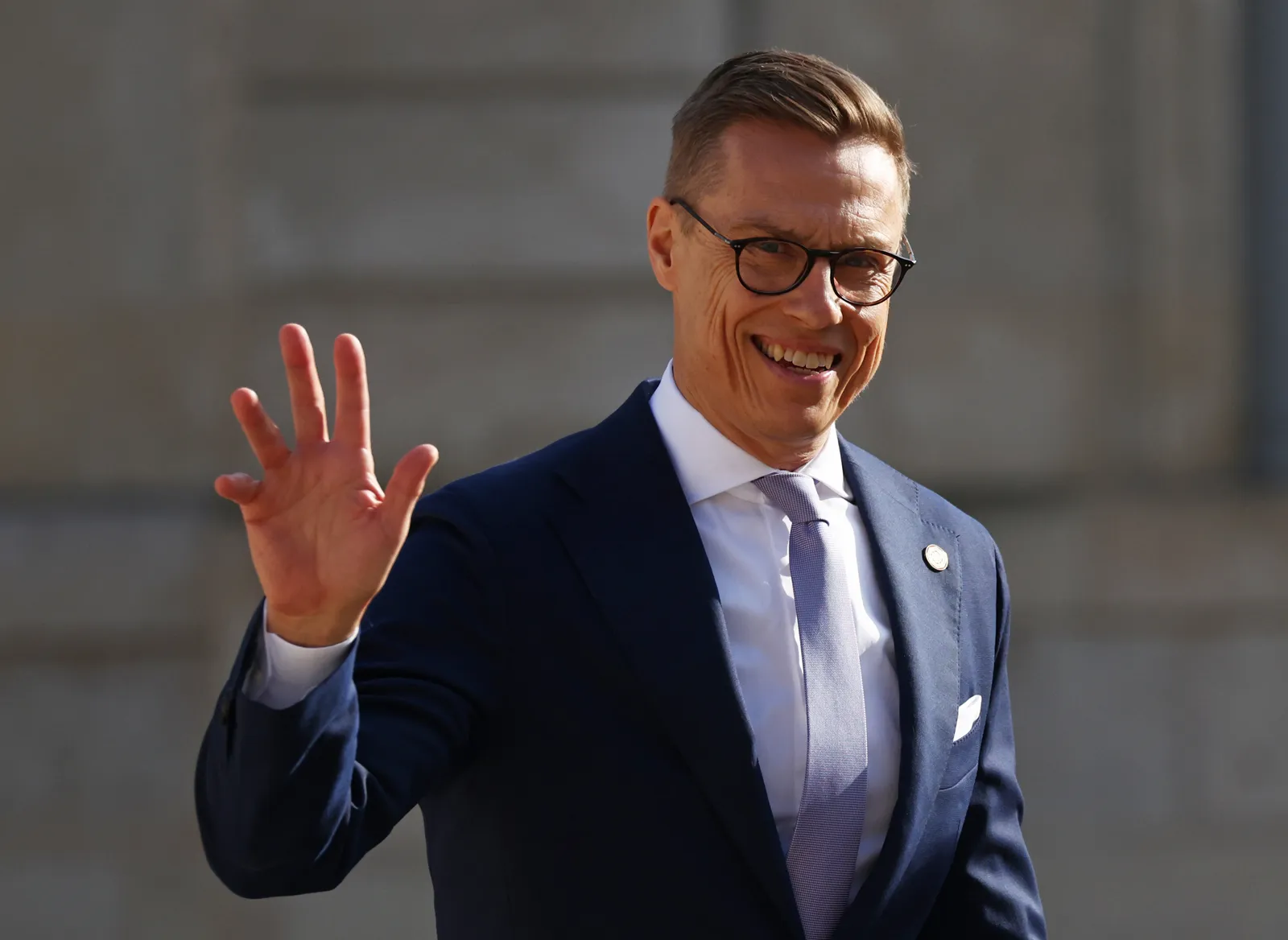
At COP31 in Antalya, the Finnish president did not make the usual moral appeal. Alexander Stubb spoke as the head of a small, cold, export-dependent country that has decided to treat decarbonisation as an industrial strategy. His case rested on a plain claim: tackling climate change and accelerating the clean energy transition are not only environmental necessities but also opportunities to strengthen competitiveness and economic resilience.
What Stubb said in Antalya
Stubb delivered Finland’s national statement on 11 November, the first day of the leaders’ segment. According to wire reports of the speech, including Anadolu Agency, he named three priorities: multilateralism, science and resilience. He said that no country, whatever its size or power, can shield itself from climate change or tackle it alone. He tied the economy to this argument: cutting dependence on fossil fuels, diversifying energy supplies and accelerating electrification would, in his words, create “new opportunities for sustainable growth.” With global institutions in flux, he also backed flexible partnerships and voluntary coalitions of countries to keep momentum going.
The framing is consistent. In Belém a year earlier, Stubb told delegates that “pessimists will never solve the climate crisis,” and Finnish coverage of that trip reported his view that climate action and economic growth go hand in hand.
Why the pitch is credible in Finland
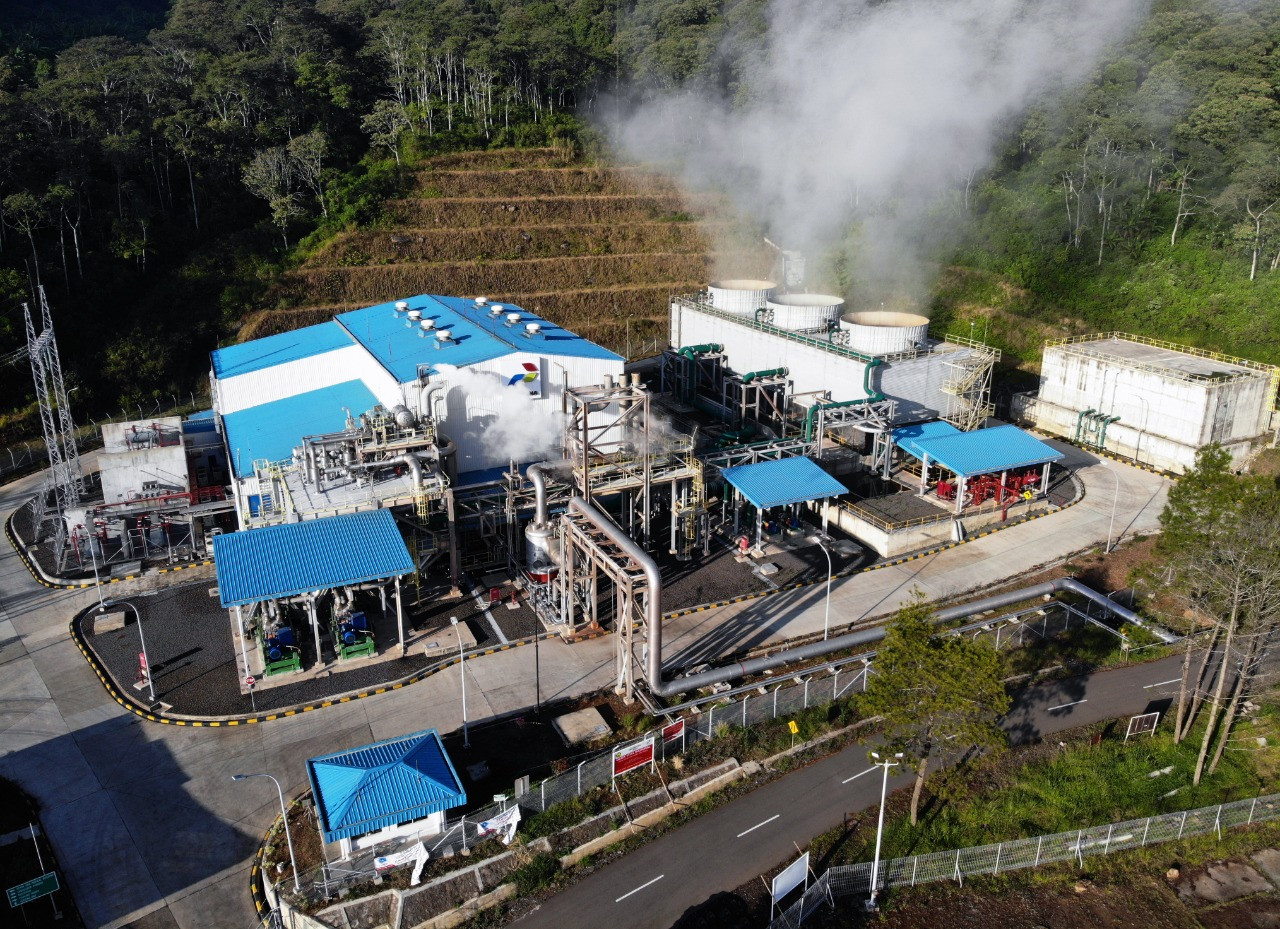
The argument works because the numbers back it up. Finland aims to be carbon neutral by 2035, among the most ambitious targets in the world and the earliest in Europe, and nuclear power already supplies about a third of its electricity, according to the World Economic Forum. The OECD points to cheap low-emission electricity, deep industrial engineering skills and a strong innovation system as the reasons Finland has more potential than most countries to green its industrial value chain. Stubb himself has said that around 95% of the country’s electricity already comes from clean sources.
That cheap clean power is now being turned into investment. According to the law firm Krogerus, citing the Confederation of Finnish Industries, announced green-transition projects are worth up to EUR 300 billion. The state is helping: a first tax-credit scheme for large green investments qualified about 40 projects, worth EUR 2.3 billion in credits, and a renewed scheme set at 20% of eligible costs is expected to open in 2027. The pipeline spans green hydrogen, batteries, low-carbon aluminium, data centres, and a new generation of small modular nuclear reactors. Parliament passed a Nuclear Energy Act reform in summer 2026 to make licensing better suited to smaller reactors.
At COP31, Finland also tried to export the idea. Stubb opened the launch of the Helsinki Green Economy Initiative on 12 November, a collaboration of economic researchers, policymakers and businesses meant to advance growth while accelerating climate and nature action. It builds on the Helsinki Principles of 2019, which started from the idea that climate change is a fundamental economic and financial issue, not only an environmental one.
The caveats
This is a success story with open questions. Finland’s own government says reaching the 2035 target will require major additional action, even though energy-sector emissions fell sharply and coal use nearly halved in the latest annual climate report. The boom also brings strain. According to the grid operator Fingrid, as cited by Krogerus, if all signed grid-connection projects were built, electricity consumption would rise nearly 40% against 2025, and grid capacity in parts of southern Finland has already tightened.
Helsinki is also about to tighten its foreign-investment screening. A new law, expected in spring 2027, would bring certain energy and data-centre projects, including greenfield ones, under mandatory review. The country that sells itself as open to green capital is also guarding its energy infrastructure more closely.
And Finland’s generosity abroad has limits, which matters to a Brazilian audience. At COP30 in Belém, Stubb told the Brazilian newspaper Estadão that Finland thought the Tropical Forest Forever Facility was a great idea, but that the government would not put money into it for now. He acknowledged that Lula was disappointed, and added that the decision belonged to the finance and development ministers, not to him.
What Brazil can take from it
Finland’s lesson is not that climate policy pays for itself. It is that climate policy works best when it is tied to something a country already has, in Finland’s case abundant and cheap clean electricity, and when a stable policy environment gives investors a reason to commit capital. Brazil has its own version of that asset: a power system that is already largely renewable, large forests, and growing demand for green industry. What it lacks, as the markets reminded everyone last week, is cheap, predictable financing.
Stubb’s speech is a reminder that the economic pitch is the strongest one on offer. It is also a reminder that rich-country enthusiasm for climate economics does not always come with a cheque for countries that guard the forests.
The full official text of Stubb’s COP31 statement was not available at the time of writing, so quotes come from wire coverage. Figures are as of mid-November 2026. Sources include Anadolu Agency, Estadão, Aalto University, the OECD, the World Economic Forum, the Finnish government and Krogerus.