


From Sharm el-Sheikh to Antalya: Is Brazil Reclaiming the Climate Crown?
Four years after a president-elect promised the world that Brazil was back, Lula returns to the COP stage with a record to defend, and a contradiction to explain.
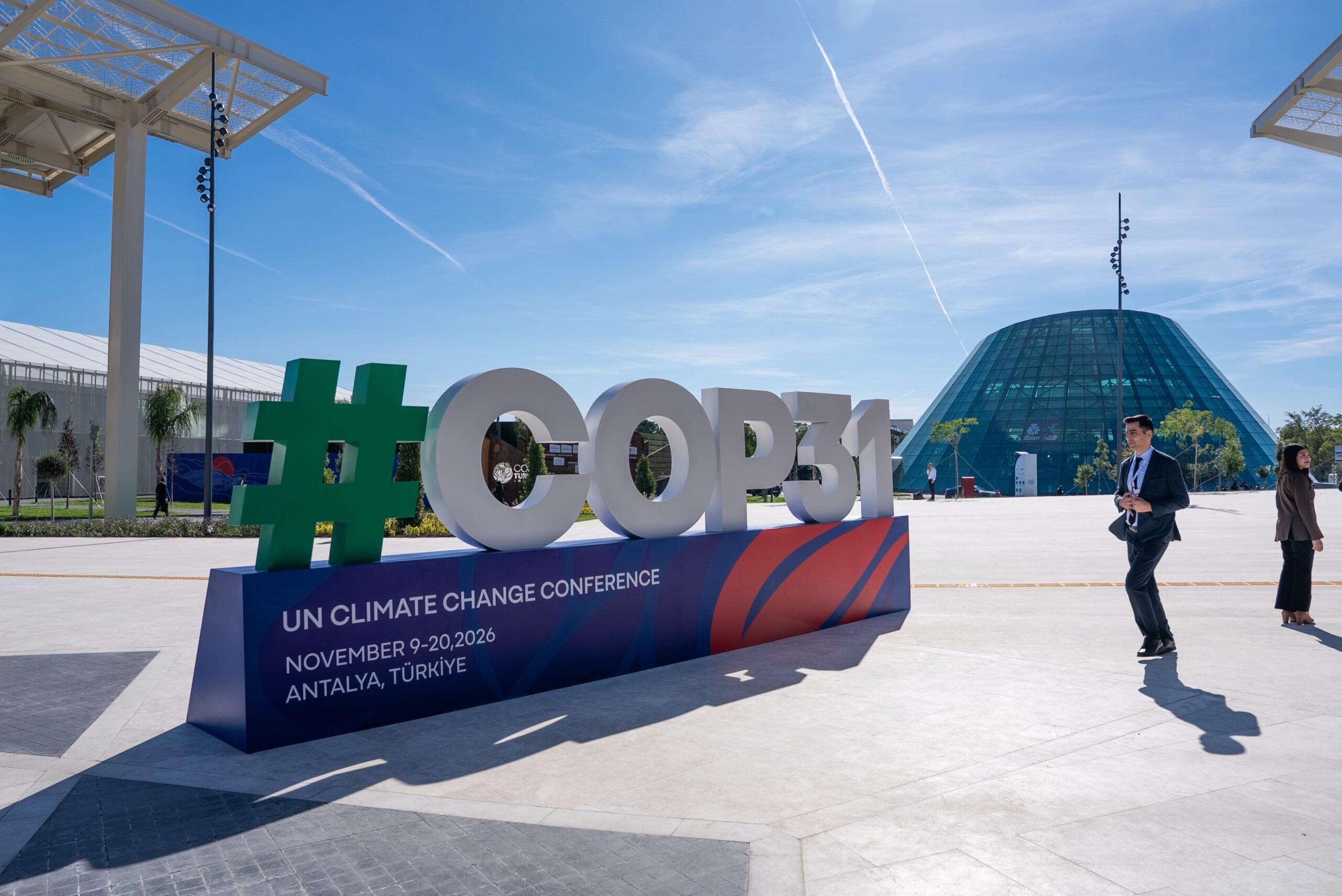
COP27 took place in November 2022 in Sharm el-Sheikh, Egypt. COP31, the summit now under way, is in Antalya, Türkiye (9 to 20 November 2026), with Türkiye holding the presidency and Australia leading the negotiations. The two summits are four years and a continent apart, yet the same man stands at the centre of both.
2022: A Rock-Star Welcome
In Sharm el-Sheikh, Luiz Inácio Lula da Silva was not yet president. He had just beaten Jair Bolsonaro, whose government had presided over a surge in Amazon destruction and treated the UN climate process with indifference. Lula flew to Egypt on his first trip abroad since the election, and the reception was extraordinary: hundreds of people crowded into an Amazon pavilion, chanting his name.
His message was simple and electric. Brazil, he said, was back. He promised to pursue zero deforestation, to protect Indigenous peoples and the bioeconomy, to revive the Amazon Fund, and to host a future COP in the Amazon. Environmental groups called it a turning point. It was also, importantly, a promise: no policy had yet been passed, and he faced a divided Congress at home.
2026: A Promise Kept, at Least in the Forest
The forest is where Lula’s claim to leadership is strongest. After he took office in 2023, his government revived the national deforestation prevention plan and strengthened enforcement. In October 2026, Brazil announced that Amazon deforestation for the year ending July 2026 reached its lowest level since official records began in 1988, around 3,335 square kilometres, according to government data from the national space research institute INPE. The government says that is a 71% fall since 2023, and a drop of roughly 42% in a single year. A consolidated figure is due in the first half of next year.
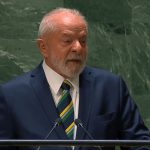
The promised COP in the Amazon also happened. Brazil hosted COP30 in Belém in 2025, and its team under André Corrêa do Lago has carried the work to Antalya. There, Lula addressed the leaders’ summit on 11 November, his first major international speech since winning re-election on 25 October over Flávio Bolsonaro. He urged the Turkish and Australian leadership to build the recommendations of the Belém documents into the next Global Stocktake, argued that wealthy nations must close the funding gap facing vulnerable countries, and ended with the line “Count on Brazil.” He told delegates that no country has more credibility on climate than Brazil.
Brazil’s presidency team also used Antalya to present a voluntary global roadmap for moving away from fossil fuels. It proposes first building up clean energy systems and then beginning to phase out coal, oil and gas production and consumption after 2031. As of 14 November, Climate Home News reported that a proposal to formally welcome the roadmap in the UN negotiations was in the draft cover decision, though progress overall was described as limited as ministers arrived.
The Caveat: Forests Can Burn Without Being “Deforested”
The record-low deforestation figure measures forest clearing, not fire, so it does not capture the whole state of the Amazon this year. Fire and degradation can rise while clearing falls, as the severe 2023-24 drought showed.
The 2026 fire data point in the wrong direction. Burned area in the Amazon reached 7,657 square kilometres from January to July, up 12.4% on the same period of 2025, according to the Amazon Cooperation Treaty Organization. By early October, fire hotspot counts in the Brazilian Amazon ran nearly 50% above 2025, according to INPE data cited by the Latin Times. Then Amazonas state recorded 540 hotspots in 48 hours, more than half of all of October 2025. Smoke blanketed Manaus, and in mid-October Brazil’s government sent aircraft and 290 firefighters. Environment minister João Paulo Capobianco said the fires looked deliberate, possibly meant to degrade forest and prepare land for future clearing. A sharp fall in hotspots followed in the last week of October, which Mongabay linked to tougher enforcement.
Scale matters here. 2025 had the lowest burned area on record since 1985, and 2024, the drought-driven fire year, burned about five times as much. So 2026 is a rebound from an unusually low base, not a return to 2024. Roughly 69% of the Amazon Basin had below-average rainfall in September, which makes drought a major driver alongside human ignition.
The honest conclusion is that Brazil has largely stopped the chainsaws but not yet the fires, and climate change and drought are working against it. Critics of the government’s claim to leadership can reasonably point to this gap, while supporters can argue that enforcement works and that the fire response is quick.
The Contradiction Critics Won’t Let Go
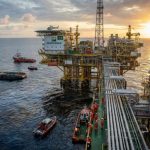
The credibility claim is exactly where Lula’s critics push back. In October 2025, just weeks before COP30 opened, Brazil’s environmental agency licensed Petrobras to drill an exploratory well in Block 59 in the Foz do Amazonas basin, near the mouth of the Amazon. Lula’s government says the licence followed a rigorous five-year review and that oil revenue can finance the transition. Civil society groups challenged it in court, and Suely Araújo, a former head of the environmental agency, said the government was sabotaging its own leadership.
The broader numbers feed the criticism. Brazil is a top-ten oil producer, exported over half of its crude in 2024, and joined the OPEC+ group of allies in 2025. Reporting from the climate outlet Dialogue Earth also noted that the government’s budgets have directed more money toward oil and gas than the previous administration’s did. Lula’s own defence has been blunt: no country, he argues, is ready to give up oil yet, and richer countries are expanding production too.
So, Is Brazil Reviving Its COP27 Leadership?
It depends on what leadership means. There are three honest ways to read the evidence.
- The optimistic reading. Brazil has delivered much of what it promised in 2022: it slashed deforestation, hosted COP30 in the Amazon, and now arrives in Antalya with a concrete fossil-fuel roadmap, a clear developing-world agenda on finance, and a fresh electoral mandate. Few major economies can show that combination.
- The sceptical reading. Leadership requires consistency. A country that licenses new offshore oil at the mouth of the Amazon while urging the world to abandon fossil fuels invites the charge of double standards, and a rebound in fires shows that the forest is not yet safe. Roadmaps that are voluntary may not survive hard negotiations.
- The structural reading. Brazil’s influence now rests on a rare position: a forest superpower and a rising oil exporter at the same time. That makes it a natural bridge between rich and developing countries, but also a country whose arguments will always be tested against its own contradictions.
One more caveat matters. This is not a clean revival, because Brazil never really left. It chaired the G20 in 2024, hosted COP30 in 2025 and stayed at the centre of the process. What has changed since Sharm el-Sheikh is that Lula’s words from 2022 have been tested against four years of results. COP31 is still under way and will end on 20 November, so whether Antalya turns Brazil’s roadmap into a formal decision, and whether its reputation survives the oil and fire debates, is not yet written.
The Verdict
In 2022, Brazil asked the world to believe. In 2026, it brings data: the lowest deforestation on record (even if fires tell a harder story), a COP behind it, a roadmap in hand. That is real leadership, and the evidence for it is stronger than it was in Egypt. But the credibility Lula claims will be decided not by the speeches in Antalya but by what Brazil does with its oil, and by whether the forest gains outlive the politics that produced them.
Sources include reporting from Climate Home News, Mongabay, the Associated Press, Al Jazeera, Dialogue Earth, AFP, the Amazon Cooperation Treaty Organization and Brazil’s COP30 presidency. COP31 is ongoing and figures and positions may change.