How Brazil Learned to Watch the World Cup Final From the Couch
eyesonbrasil
There is a very specific kind of pain reserved only for Brazilians this July 19th. It’s not the pain of losing a final. It’s the pain of not even being in one — and watching your oldest, most beloved, most insufferable rival play for a second star in a row.
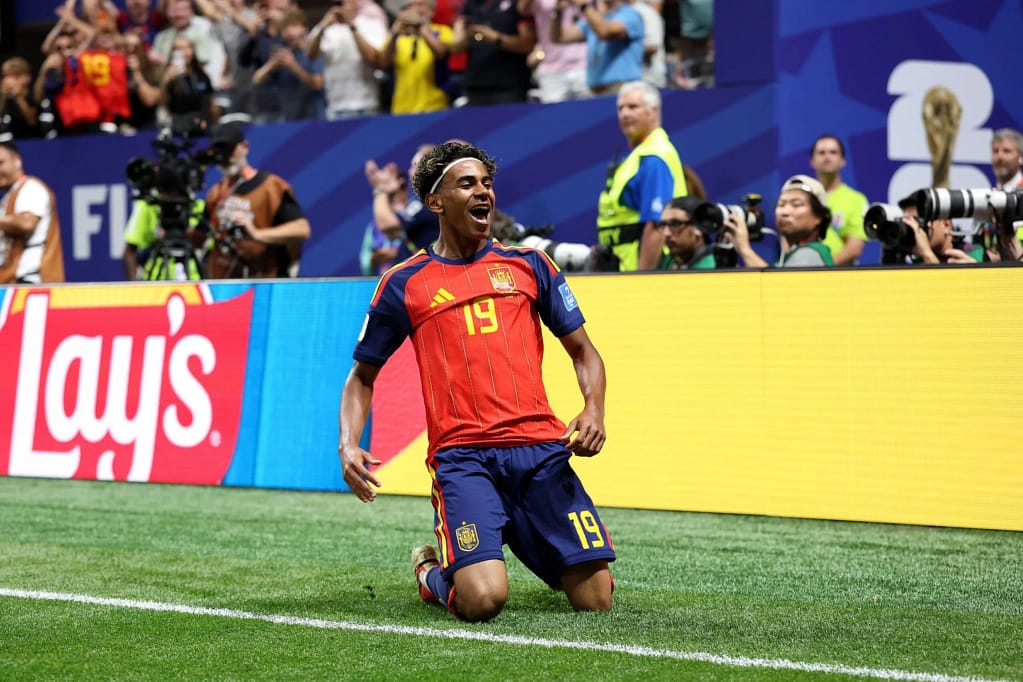
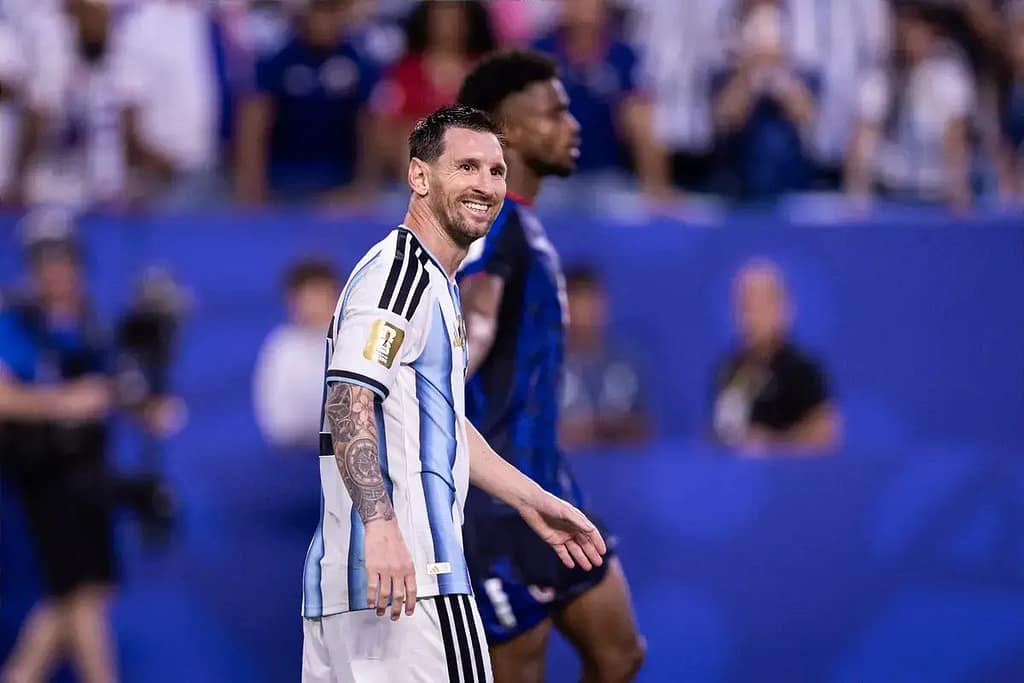
Yes. Today, at MetLife Stadium in New Jersey, Lionel Messi and Argentina face Lamine Yamal and Spain for the 2026 World Cup title. And Brazil? Brazil is home. Brazil has been home since July 5th, when Norway — Norway, a country better known for fjords and Erling Haaland than football royalty — sent the five-time champions packing in the Round of 16. Carlo Ancelotti, hired with the fanfare usually reserved for a returning astronaut, watched his highly-paid, star-studded Seleção get eliminated at the earliest stage since 1990.
Erling Haaland
And who beat Brazil in 1990? Argentina. Of course they did. The universe has a sense of humor, and it is not a kind one.
The Group Chat Has Gone Quiet
Every Brazilian has that one family group chat. You know the one — usually named something like “FAMÍLIA 🇧🇷⚽🏆” with a trophy emoji that has felt increasingly sarcastic since 2002. For the first three weeks of this World Cup, that chat was a war zone of optimism, memes, and increasingly deranged tactical analysis from an uncle who has never played organized sport in his life.
Since July 5th, it has been dead silent. Not even a “boa sorte” for whoever’s left. Just… quiet. The kind of quiet you’d expect after a funeral, if the deceased had also cost you a decent chunk of your paycheck in a private betting pool.
Meanwhile, somewhere across the border, the Argentine group chats have reportedly not stopped buzzing since the semifinal comeback against England, when a 39-year-old Messi assisted both goals like a man who has personally decided that Father Time does not apply to him, only to everyone else.
Rooting Against Everyone Is a Legitimate Strategy
Ask any Brazilian who they’re supporting in today’s final and you’ll get one of two answers. The diplomatic one: “Spain, I guess.” The honest one, usually delivered after the second beer: “I hope they both lose. I hope the stadium politely refuses to produce a winner. I hope it goes to penalties forever.”
This is not new. Brazil and Argentina have spent nearly a century treating football like a slow-motion, occasionally beautiful argument about who deserves to exist more. It doesn’t matter that Brazil isn’t playing — the rivalry doesn’t require Brazilian participation to function, the same way you don’t need to be in a room to know people are talking about you.
If Argentina wins today, they become the first team to defend a World Cup title in almost seventy years — matching a feat last managed by Brazil themselves back in 1962. Which means the specific flavor of suffering on the table isn’t just “rival wins.” It’s “rival wins the exact historic thing we haven’t managed to do in 64 years, using the trophy shape we invented as a nation’s entire personality.”
Messi, the Ultimate Away-Team Guest
There’s something almost cruelly poetic about Messi playing his likely final World Cup match while Brazil watches from a plastic chair at a churrasco, pretending to enjoy the picanha. This is a man who has spent two decades being simultaneously adored and resented across the continent — adored because genius transcends nationality, resented because genius currently plays for the wrong nationality.
Lionel Messi
Brazilian football culture has never quite decided what to do with Messi. He’s too good to hate cleanly, too Argentine to love comfortably. So the compromise, quietly reached in living rooms across the country, is to admire him the way you’d admire a shark: from a safe distance, respectfully, while hoping it swims toward literally any other beach.
So, What Now?
Brazil’s actual next fixtures are a set of friendlies against Australia in September — about as far from a World Cup final as you can get without leaving the sport entirely. The rebuilding era starts now, two months after the collapse, with the same coach whose contract was extended before the tournament even ended, in a display of either loyalty or denial that only time will properly judge.
But today, for ninety-plus minutes, Brazil gets to do something it rarely does: watch the World Cup final as a civilian. No flags on the car. No jersey ironed the night before. Just a nation of people who invented joga bonito, sitting on their sofas, quietly hoping that somewhere in New Jersey, the football gods remember that this is supposed to be their party — and RSVP accordingly for 2030.
Until then: pass the picanha, mute the Argentine cousin on WhatsApp, and try to enjoy the football. It really is very good football. That’s the most annoying part of all.