


Lula’s Fourth-Term Dilemma

Campaign Promises Meet the Budget Calculator
eyesonbrasil
It came to 51.77% of the vote. Lula was re-elected on 25 October, the first time a runner-up from the first round has turned the race around in the runoff. It was a night for celebration. The fiscal hangover did not take long.
The bill
In the closing stretch of the campaign, the government stacked up measures. Bolsa Família received a 15.04% increase, raising the minimum payment from R$ 600 to R$ 691, just 17 days before the first round. Also announced: Desenrola 3.0 (a debt-renegotiation programme), a ban on online betting, and a package for MEIs (micro-entrepreneurs) with tax-debt forgiveness, a higher revenue ceiling and an instant Pix payment of up to R$ 5,000. Together, these require R$ 39.8 billion in adjustments to the 2027 budget, R$ 22.7 billion of it from Bolsa Família alone. The campaign also promised free public transport on weekends.
The government says it can be done without pain: it plans to reallocate roughly R$ 20 billion within the 2027 budget, without raising the overall spending limit.
The problem: the numbers do not help
The 2027 fiscal target is a surplus of 0.5% of GDP, or R$ 73.2 billion, and the economic team insists it stands. But the picture is tighter than it looks:
- The official 2027 GDP growth forecast has fallen from 2.5% to 2.3%, which tends to reduce tax revenue. The market is even more cautious, at 1.43%.
- The Independent Fiscal Institution (IFI) calculates that the fiscal result could be R$ 104 billion worse than the government estimated in its budget bill.
- To stabilise public debt, the IFI estimates an effort that could reach R$ 450 billion.
- Roberto Campos Neto, the former central bank governor, believes the government may have to revisit part of its campaign promises.
What Brasília is actually discussing
According to a report published this week, the government is studying limits on the stacking of social benefits and a review of Bolsa Família spending, as part of an adjustment package prepared for the fourth term. Finance Minister Dario Durigan has opened talks with economists from different schools of thought on adjustment measures and structural changes. There is no official announcement of a general cut to the programme or to the R$ 691 minimum. One detail fuels the unease: the budget text earmarks R$ 157.1 billion for Bolsa Família in 2027, below the R$ 158.6 billion set aside for 2026.
The line making the rounds
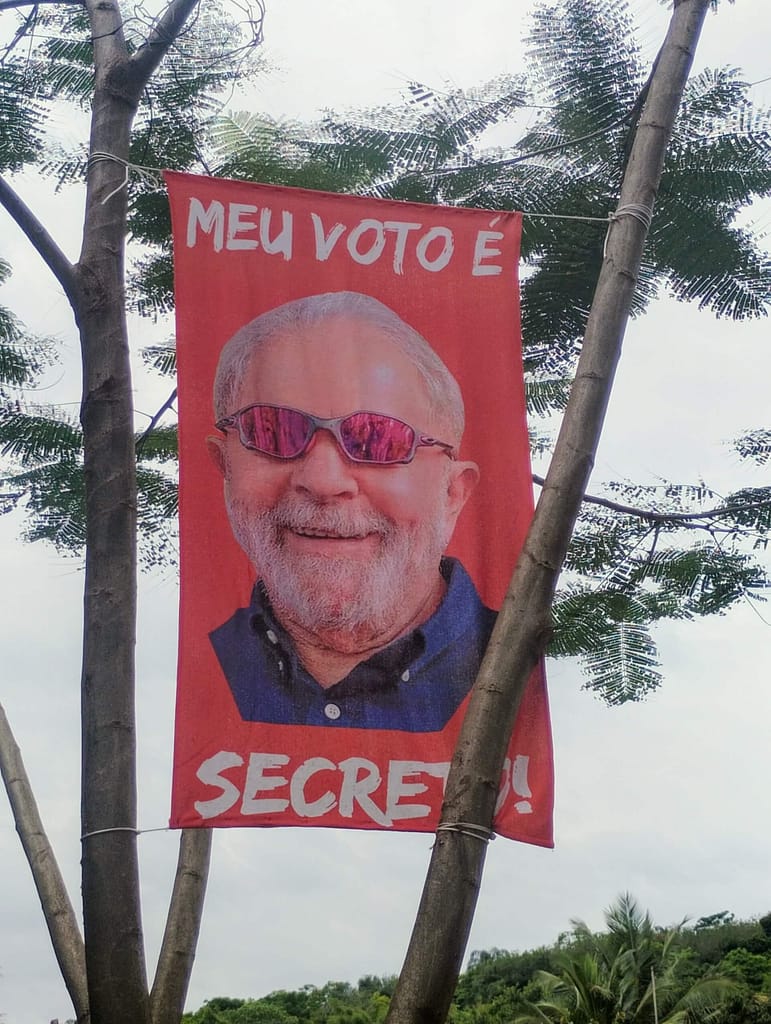
Either Lula keeps his promises and bankrupts Brazil, or he breaks them and makes clear the promises were a lie.
On social media and in debate panels, one comment captures the mood: “Either Lula keeps his promises and bankrupts Brazil, or he breaks them and makes clear the promises were a lie.” There is a real political dimension to it. Lula’s campaign gained strength by accusing his opponent of planning cuts: in a video, Lula asked Flávio Bolsonaro whether R$ 250 billion in cuts would come out of Bolsa Família, pensioners or workers. Now the winning government has to explain where its own R$ 20 billion will come from.
But is the dilemma really binary?
There are reasons to doubt the trap. The central promise, to keep and raise Bolsa Família, is being honoured. Reallocating R$ 20 billion in a budget of this size is not the same as bankrupting the country, and reviewing benefit stacking is different from cutting the programme. There is precedent: the 2023 budget provided R$ 405 per family despite a promise of R$ 600, and the gap was closed through the Transition Constitutional Amendment (PEC da Transição).
Critics respond that a gradual adjustment relies on growth and revenue the market does not see, and on uncertain income such as the Selective Tax, whose rate has yet to be set.
What comes next
The 2027 budget is still moving through Congress, and there is no final list of spending to be reduced. The fourth term begins in January. Until then, the government must show it can keep its social promise without the fiscal bill producing a different kind of broken promise.