Climate summits are meant to turn pledges into money. This year, the pledges were thin, the leaders were missing, and the world’s biggest forest nation had a problem back home: the markets were marking it down.
eyesonbrasil
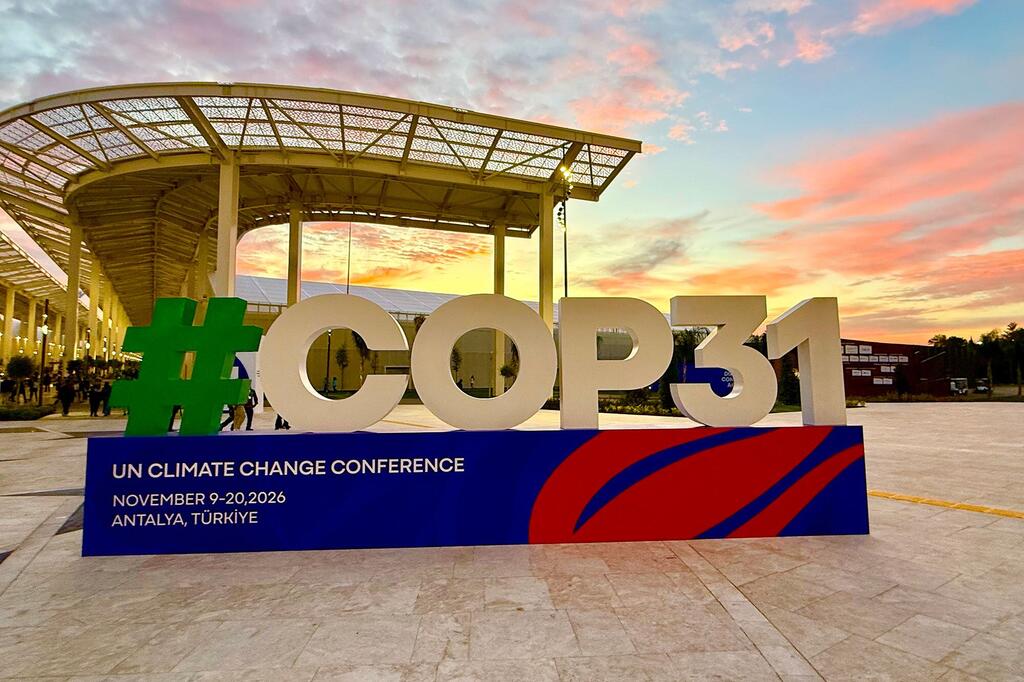
On the Turkish Mediterranean coast, the UN climate conference known as COP31 opened on 9 November with a conspicuous shortage of heavyweights. According to AP, the leaders of China, the United States and India, which together account for more than half of global CO2 emissions, skipped the gathering. The US absence is formal: its withdrawal from the Paris Agreement took effect in January 2026, and Washington is not sending officials for the second year running. China is a partial exception. Xi Jinping, who rarely attends COPs, was represented by a vice president rather than boycotting outright, while India’s Narendra Modi stayed away.
Europe’s absences stung more. Emmanuel Macron, Friedrich Merz and Giorgia Meloni all skipped the leaders’ summit, though Ursula von der Leyen attended. Paris pointed to Armistice Day commemorations and an EU summit in Ireland. Climate groups were unconvinced, with Climate Action Network Europe warning that absent leaders leave more weight on ministers and negotiators to show Europe is serious about delivery.
Brazil shows up, and asks for money
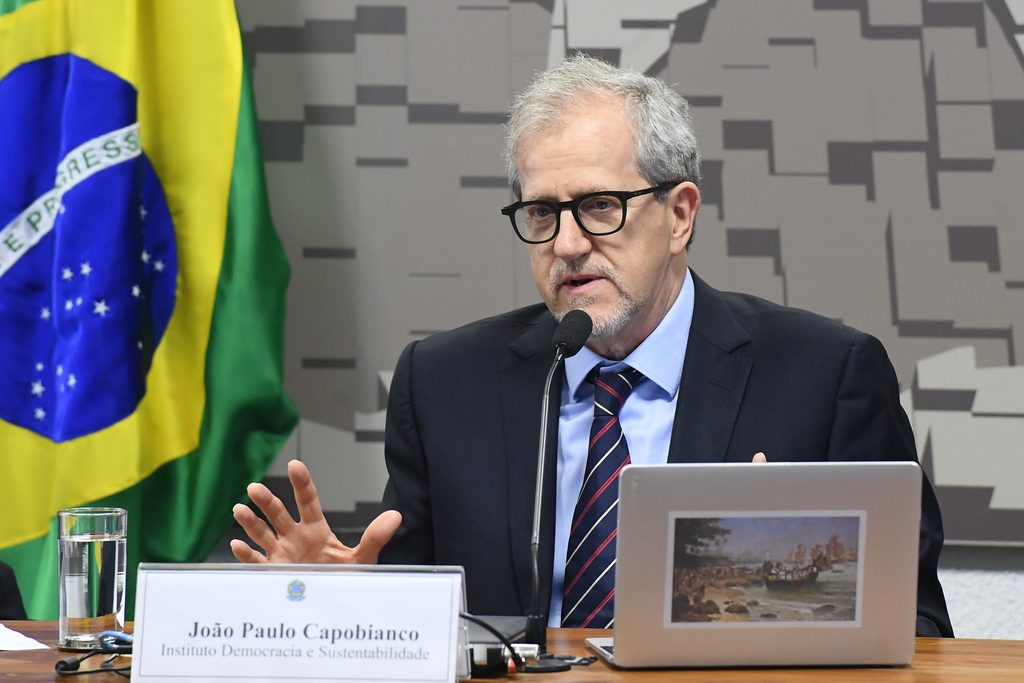
Luiz Inácio Lula da Silva did attend, on his first foreign trip since winning re-election on 25 October. Hoarse, he had his speech read by Environment Minister João Paulo Capobianco, who promoted the Tropical Forest Forever Facility (TFFF), Brazil’s flagship proposal to pay countries for keeping tropical forests standing. Lula said the fund has the backing of 66 countries and the EU. He also noted that climate action has dropped off the G7 and G20 agendas.
Environment Minister João Paulo Capobianco
Support is not the same as capital, though. Reporting from the summit says new sovereign pledges fell short of expectations. Norway’s prime minister had earlier said the fund needs at least US$10 billion in its junior tranche by the end of 2026 to work as designed. The year is almost over. Meanwhile, the OECD counted only US$136.7 billion of climate finance from developed countries in 2024.
The market’s verdict
Back in São Paulo, the mood was far less festive. On 15 November, Morgan Stanley (not “Stanley Morgan”, as the headlines sometimes garble it) cut Brazil to underweight in its Latin American equity portfolio. The bank sees the Ibovespa at 160,000 points by the end of 2027, roughly 7% below its reference level of about 171,000, and cites high interest rates, doubts over whether fiscal rules can stabilise public debt, and a risk that company profits fall 10% to 20%. It still favours selected dollar-earning exporters.
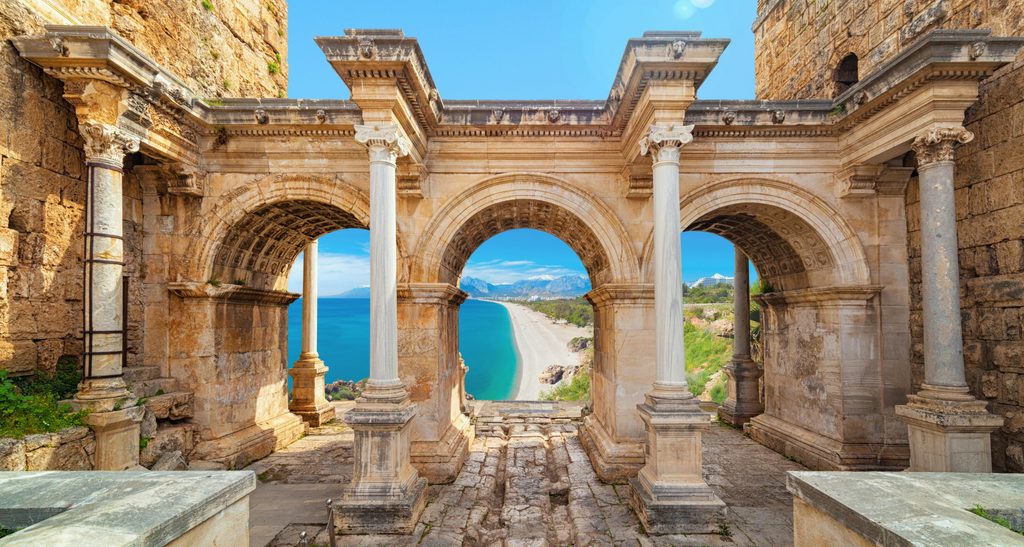
Antalya
The picture of foreign flight needs some care. According to B3 data reported by the Rio Times, foreign investors pulled about R$8.4 billion (around US$1.5 billion) from the exchange between 26 October and 3 November, after Lula’s win. But August was worse, with net foreign outflows of roughly R$18.1 billion, and flows have swung back and forth all year. Bank of America has argued that foreign investors are watching US interest rates more closely than Brazilian politics. The common thread is a question of fiscal credibility and the cost of money, which is older than this election and larger than any one bank’s downgrade.
Why this matters for the climate
A stock-market sell-off does not, by itself, cut funding for a solar farm or a restoration project. Equity flows and climate finance are different channels. But they share the same underlying signals: interest rates, the exchange rate, and investors’ confidence that Brazil’s public finances are on a sustainable path. When those wobble, borrowing costs rise for everyone, including the companies and projects Brazil needs to deliver its climate goals.
And the bill is large. A report by Bain estimates that Brazil’s announced climate commitments will require R$1 trillion to R$1.2 trillion of investment by 2030, about R$800 billion for the energy transition and R$400 billion for nature-based solutions. The same report notes that the market’s appetite to finance newer or more complex solutions is still limited, and that Brazil’s investment platform (the BIP) has already identified 15 projects seeking US$22 billion.
Foreign money is already part of the story. The Climate Policy Initiative found that international climate finance flowing into Brazil reached about US$5.1 billion a year in 2021–2022, up 84% from two years earlier, with energy (mainly solar and wind) taking the largest share. About 58% came from public institutions and 42% from private sources. The CPI also stresses that foreign capital complements domestic sources, which remain the main source of climate finance in many emerging economies. Brazil’s government is building tools to attract more, including Eco Invest Brasil, which offers currency hedging to foreign private investors in climate projects.
The real contradiction
So Brazil does depend heavily on foreign capital to meet its climate targets, but as a crucial complement rather than the whole answer. That leaves a sharp irony. The countries and investors Brazil most needs are, in different ways, looking elsewhere: some governments stayed home from Antalya, and some investors are pricing Brazilian risk higher. Brazil’s critics say the weak spot is self-inflicted, pointing to spending and debt that keep rates high and capital cautious. Its defenders say a country should not be penalised for protecting a forest that benefits the whole planet, and that the cost belongs with those who emitted most.
Both arguments have force, and Antalya settled neither. The summit made one thing plain: for Brazil, climate ambition and fiscal credibility are no longer separate conversations. The cheaper it becomes to borrow, the further Brazil’s forests and clean energy can go. Right now, the empty chairs in Antalya and the nervous traders in São Paulo are pointing the same way.
Figures are from news reports and published studies as of mid-November 2026. Market data changes daily and should be rechecked before publication. Sources include AP, AFP, Reuters, Carbon Pulse, the Rio Times, InfoMoney, Bain & Company and the Climate Policy Initiative.