


Clogs on the Copacabana

Where Dutch Money Is Flowing in Brazilian Real Estate
eyesonbrasil
Amsterdam, August 22, 2026 – Four centuries ago, the Dutch controlled a slice of northeastern Brazil, built forts along its coast, and left behind windmill-dotted towns whose names — Holambra, Carambeí, Castrolanda — still sound more like Friesland than Bahia. That old fascination never really went away. It has simply changed shape: instead of sugar plantations, it’s now apartments in São Paulo, beach villas in the Northeast, and second homes in Florianópolis.
Brazil’s property market has quietly become one of the more talked-about frontiers for Dutch investors, private and institutional alike. But scratch beneath the headlines and a more interesting story emerges — the Dutch aren’t chasing one dream, they’re chasing two very different ones at the same time.
The two Brazils Dutch capital is buying into
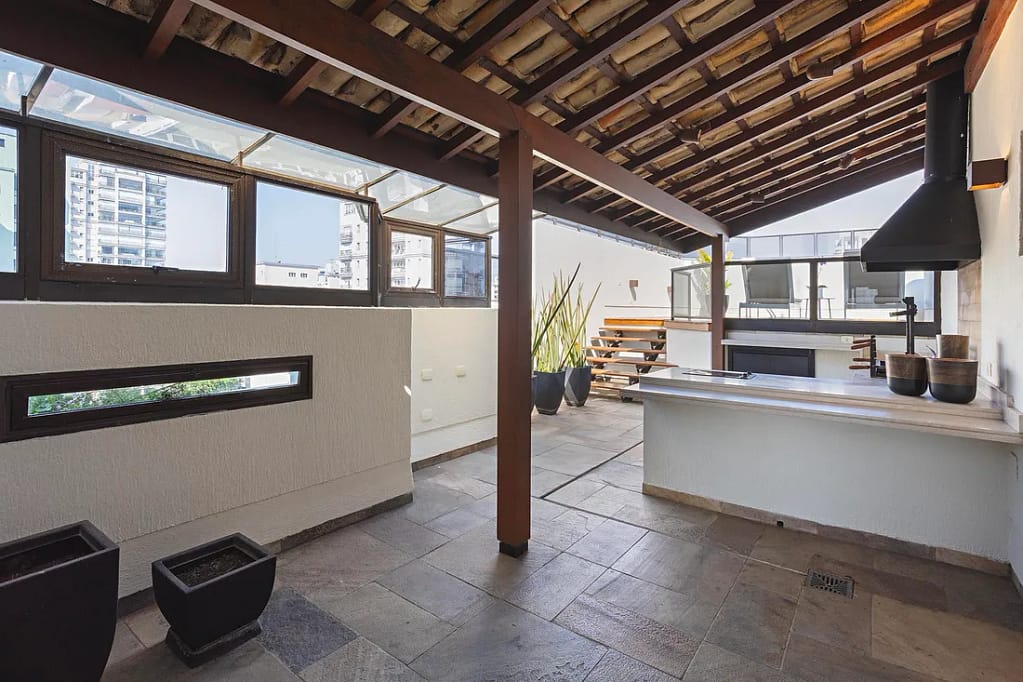
São Paulo: the money city. For institutional and semi-institutional Dutch capital, São Paulo is the obvious anchor. It’s Brazil’s financial engine, and Dutch fund managers have been formalizing their presence there rather than just dabbling. Amsterdam-based ARD Capital Partners, for instance, has built a partnership with Vitacon — a major Brazilian developer specializing in compact, rentable apartments in São Paulo — giving Dutch private investors access to deal terms that were previously reserved for institutional players like Hines. The pitch to Dutch investors leans heavily on diversification logic: Brazil sits outside the eurozone and outside U.S. dollar exposure, which matters more than ever in a world of shifting geopolitical alignments. Add a young population, a growing middle class, and continued urbanization, and São Paulo reads less like an adventure and more like a spreadsheet.
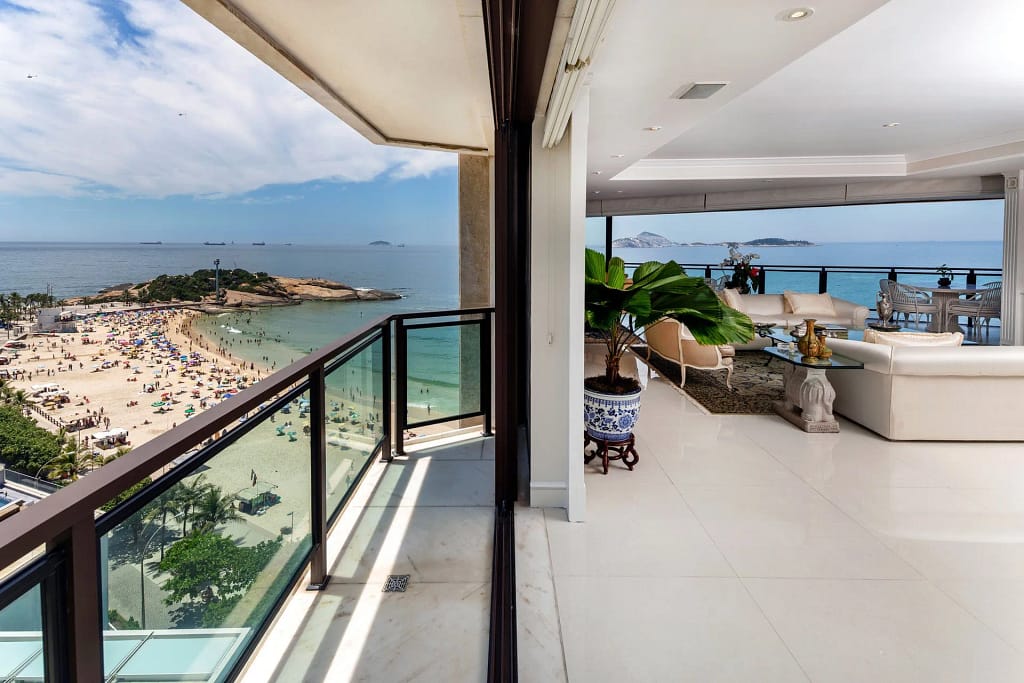
Rio de Janeiro: the lifestyle magnet. Where São Paulo is about balance sheets, Rio is about the view. Oceanfront apartments, historic homes, and the sheer global brand power of Copacabana and Ipanema keep pulling in international buyers, Dutch ones included — though here the motivation shifts noticeably toward personal enjoyment as much as yield.
The Northeast coast: where retirement dreams meet rental math. This is arguably where the Dutch footprint is growing fastest and where the “rent it or live in it” question gets most interesting. Fortaleza, Natal, Recife, and Maceió are increasingly on the radar of foreign buyers, prized for warm weather nearly year-round, lower price points than Rio or São Paulo, and a relaxed pace of life. Fortaleza in particular draws attention for its kitesurfing-friendly coastline around Jericoacoara and Ilha do Guajiru — the kind of detail that appeals as much to a Dutch windsurfer eyeing a second home as to a spreadsheet-driven investor. Trancoso and Búzios round out the picture at the luxury end: exclusive, low-supply markets with strong rental demand from Brazilian and international tourists alike.

Florianópolis: the compromise candidate. “Floripa” keeps coming up as the answer for people who want both — a place with a genuine expat community, strong infrastructure, lower crime rates than the big metros, and a real estate market (roughly R$8,500 per square meter in good neighborhoods as of early 2026) that’s still noticeably cheaper than prime Rio or São Paulo addresses.
So — rental income or a life in the sun?
This is really the crux of it, and the honest answer is: both, but for different Dutch investors, and often at different life stages.
The pure-play rental crowd tends to cluster around São Paulo’s compact-apartment model and professionally managed coastal rentals. These investors — often working through funds or partnerships rather than buying solo — explicitly treat the property as yield. Dutch-language investment guides aimed at this group spend most of their time on currency risk between the real and the euro, the wisdom of hiring a local property manager so the investment doesn’t become “a time-consuming project” from a distance, and the importance of a long-term horizon to ride out an emerging market’s volatility. This is capital that may never see the inside of the apartment it owns.
The lifestyle-first crowd is chasing something else entirely: sunshine, a lower cost of living, and often a literal escape hatch from Dutch winters. Brazil sweetens this path with its Real Estate Investor Visa (the program once known as VIPER), which offers a residency route tied directly to property purchase — a strong pull for those who are, from day one, thinking about spending real time in the country rather than just collecting rent checks. For this group, cities like Fortaleza, Natal, and Florianópolis aren’t investment vehicles first — they’re where retirement or a hybrid remote-work life actually happens, with rental income treated as a nice-to-have for the months the owner isn’t there.
And then there’s the hybrid, which may be the most common Dutch profile of all. Buy a beach apartment in Natal or a unit in Floripa, use it for a few months a year, and let a rental agency fill the calendar the rest of the time. It’s a pattern reinforced by the market itself: nearly every guide aimed at foreign buyers now pairs “rental yield” advice with “residency visa” advice in the same breath, because Brazilian developers and agents have realized their two biggest audiences — investors and future residents — are frequently the same person wearing two hats.
The practical backdrop
None of this happens in a regulatory vacuum, and it’s worth knowing the shape of the guardrails. Foreigners can buy urban real estate in Brazil on the same terms as citizens — no residency required, no special permission — which is a big part of why the market feels so accessible to Dutch buyers. Rural land is a different story, tightly restricted under a 1971 law capping foreign ownership by municipality, so any Dutch investor picturing a countryside finca alongside their beach flat needs to adjust expectations quickly. The paperwork trail runs through a CPF tax registration, notarized title transfer via a cartório, and municipal transfer tax (ITBI) — routine, but not something to walk into without local legal guidance given Brazil’s famously intricate tax system.
The takeaway
If there’s a single throughline connecting a Dutch pension-adjacent fund buying into São Paulo apartment blocks and a retired couple from Utrecht shopping for a bungalow near Natal, it’s this: Brazil has stopped being an exotic curiosity for Dutch capital and started being a genuine allocation decision, made with the same mix of pragmatism and longing that has always defined Dutch relationships with far-off coastlines. The money side wants São Paulo’s fundamentals. The heart wants Rio’s view or the Northeast’s sun. Increasingly, Dutch investors are structuring their Brazilian portfolios to get a taste of both — which may be the most Dutch investment strategy of all: hedge your bets, but don’t forget to enjoy the returns.