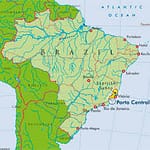
Water is both a lifeline and a formidable challenge for a country as vast as Brazil. Despite holding roughly 12% of the world’s freshwater reserves, the South American giant faces stark contrasts: devastating floods in the south, chronic droughts in the northeast, and sprawling urban centers struggling with aging sanitation infrastructure. Managing these complex aquatic dynamics requires not just ambition, but centuries of specialized experience. Enter the Netherlands—a nation that has famously built its identity and technology around mastering water. Today, a wave of Dutch enterprises is bringing that time-tested engineering prowess across the Atlantic, fundamentally reshaping how Brazil manages, purifies, and protects its most precious resource.
How Dutch Expertise Transforms Water in Brazil
The Netherlands has spent centuries perfecting the art of water management, driven by the existential necessity of living largely below sea level. This deep-seated expertise is now being deployed to address Brazil’s most pressing water crises. Dutch firms bring a holistic approach that moves beyond temporary fixes toward long-term resilience. From designing advanced coastal defenses to engineering innovative urban drainage systems, these companies are introducing sophisticated techniques that allow Brazilian cities to better withstand climate-induced weather extremes. Their deep knowledge of hydrological modeling helps local authorities predict, prepare for, and mitigate the impact of catastrophic flooding.
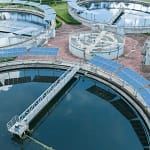
Beyond flood control, Dutch organizations excel in water quality management and resource recovery. In major metropolitan areas like São Paulo and Rio de Janeiro, Dutch environmental consultancies and engineering firms are transforming industrial wastewater treatment. By implementing circular economy principles, they assist local industries in recycling process water, dramatically reducing overall consumption and pollution. Furthermore, Dutch expertise is helping to revitalize degraded urban river basins, blending nature-based solutions—such as constructed wetlands—with heavy engineering to restore natural ecological functions while improving public health in underserved communities.
Digital innovation forms another crucial pillar of the Dutch contribution. Many of these firms introduce cutting-edge monitoring technologies, utilizing real-time sensors, satellite data, and predictive analytics to optimize water distribution networks. In a country where a significant percentage of treated water is lost to leaks before reaching consumers, Dutch-designed smart metering and leak detection software provide transformative efficiency gains. By combining centuries-old hydraulic principles with modern software solutions, Dutch experts are empowering Brazilian engineers with the tools needed to manage regional watersheds proactively rather than reactively.
A Growing Partnership for Sustainable Solutions
The relationship between Dutch water experts and Brazilian stakeholders is far from a one-sided transfer of technology; it has evolved into a deeply collaborative partnership. Dutch companies frequently partner with local Brazilian engineering firms, academic institutions, and municipal governments to ensure solutions are tailored to local socio-economic and geographical contexts. Through trade missions, public-private partnerships, and joint research initiatives, both nations are building long-term networks. This collaborative ecosystem ensures that projects are not only technically sound but also culturally accepted and economically viable over the long haul.
The economic and social benefits of this growing synergy are substantial for both nations. For Brazil, accessing Dutch expertise unlocks new potential in agricultural irrigation, port development, and municipal utility management, attracting further international investment. For the Netherlands, Brazil represents a massive, dynamic market with complex challenges that spur further innovation. Knowledge exchange programs and specialized training sessions conducted by Dutch professionals are upskilling the local workforce, creating a self-sustaining cycle of innovation and capacity building within Brazil’s water sector.
Looking ahead, the engagement of Dutch businesses in Brazil is set to deepen significantly as climate change accelerates global water volatility. The success of initial projects has established a strong foundation of trust, opening doors for expanded cooperation in green infrastructure, offshore energy water dynamics, and sustainable agriculture. As Brazilian policymakers prioritize sanitation reform and climate adaptation in their national agendas, the demand for Dutch ingenuity will only continue to rise. This expanding presence highlights a shared commitment to building a water-secure future, proving that cross-border collaboration is key to solving the planet’s most critical environmental challenges.
The synergy between Dutch ingenuity and Brazil’s environmental scale marks a turning point in international environmental cooperation. As Dutch businesses expand their footprint across the country, they are doing far more than executing engineering contracts—they are helping build a resilient infrastructure capable of protecting millions of lives and sustaining vital ecosystems. The growing presence of Dutch firms in Brazil serves as a powerful model for how global expertise and local potential can unite to turn daunting water challenges into lasting opportunities for sustainable growth.