


The Port That Became a Neighborhood

Inside the Real Estate Boom Rewriting Rio’s Port Zone
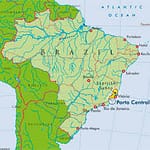
More than a century after Mayor Pereira Passos dreamed of a “Modern Port,” Rio’s old Port Zone is finally becoming a neighborhood — and the real estate market noticed before anyone else did.
eyesonbrasil
Amsterdam, August 3, 2026 – For over a hundred years, Rio’s dockside district was a promise. Mayor after mayor pledged to reshape the Port Zone, from Pereira Passos’s sanitation-driven intervention in the early 20th century to the Porto Maravilha revitalization launched for the 2016 Olympics. This time, though, the promise is turning into concrete — literally. In 2025, the first wave of residents moved en masse into the area’s new developments, and 2026 is already being called, by the city’s own Secretary of Urban Development, Gustavo Guerrante, a “decisive year” for Porto Maravilha. “You already see a lot of occupied apartments in the area, with the lights on,” he said. “To me, that’s hugely important.”
The Numbers Behind the Boom
The data confirms the turnaround. Over five years, the average price per square meter in Porto Maravilha jumped from around R$5,500 to R$9,000 — an appreciation of more than 60%, according to figures presented by Caixa’s vice president of Investment Funds, Sérgio Bini. In neighboring Santo Cristo, the appreciation was even more dramatic: price per square meter rose from roughly R$1,850 in 2020 to more than R$8,000 in 2026, a 330% jump that already outpaces the average appreciation of established neighborhoods like Tijuca and Recreio.
2,725 apartments were delivered in the region in 2025 alone — counting only developments by Cury Construtora, the developer that has built the most in the Port Zone. Another 2,800 units are expected to be completed throughout 2026, and the project’s total pipeline already exceeds 9,000 units launched since 2021, with a sell-through rate above 80%. The city government estimates the local population will jump from today’s 13,000 residents to roughly 45,000 by 2029 — more than tripling in just a few years.
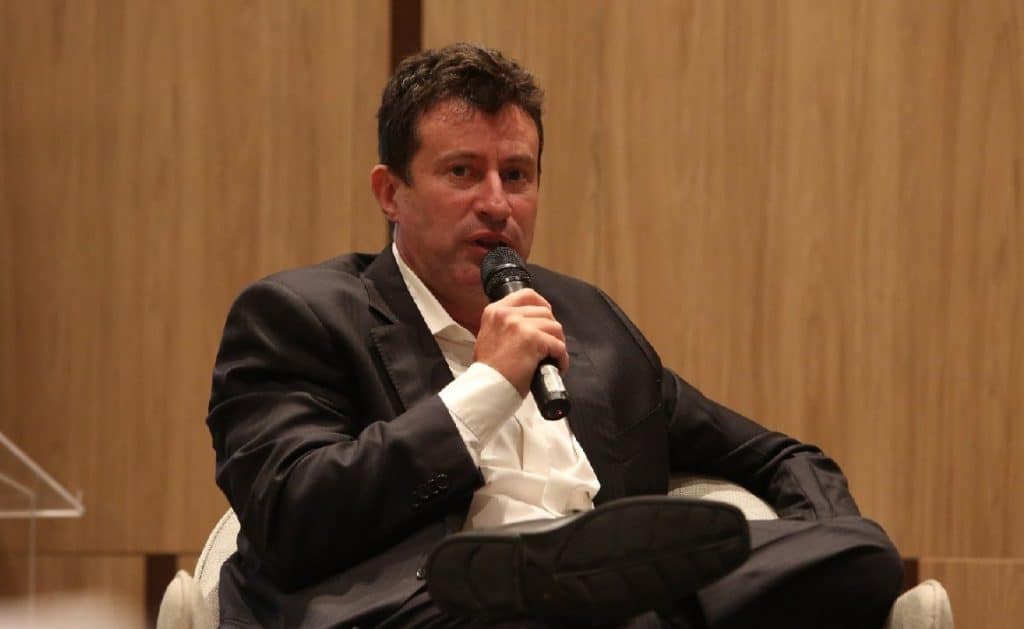
For Cláudio Hermolin, president of Rio’s Civil Construction Industry Union (Sinduscon-Rio), the momentum is now irreversible: “The average cycle for a real estate development is five years and two months. Porto Maravilha’s deliveries are starting now […] And it’s a cycle that no longer ends, because Porto Maravilha now has developments simultaneously launching, under construction, and being delivered.”
What’s Driving the Appreciation
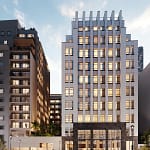
The boom isn’t accidental — it’s the result of a deliberate combination of factors. The Reviver Centro program, launched by the city in 2021, incentivizes converting old, underused commercial buildings into residential ones through retrofitting — preserving historic façades while generating less rubble and consuming fewer new materials. On top of that sit incentives specific to Porto Maravilha, such as exemption from the ITBI property transfer tax and relaxed parking-space requirements, both of which lower the final cost of a unit.
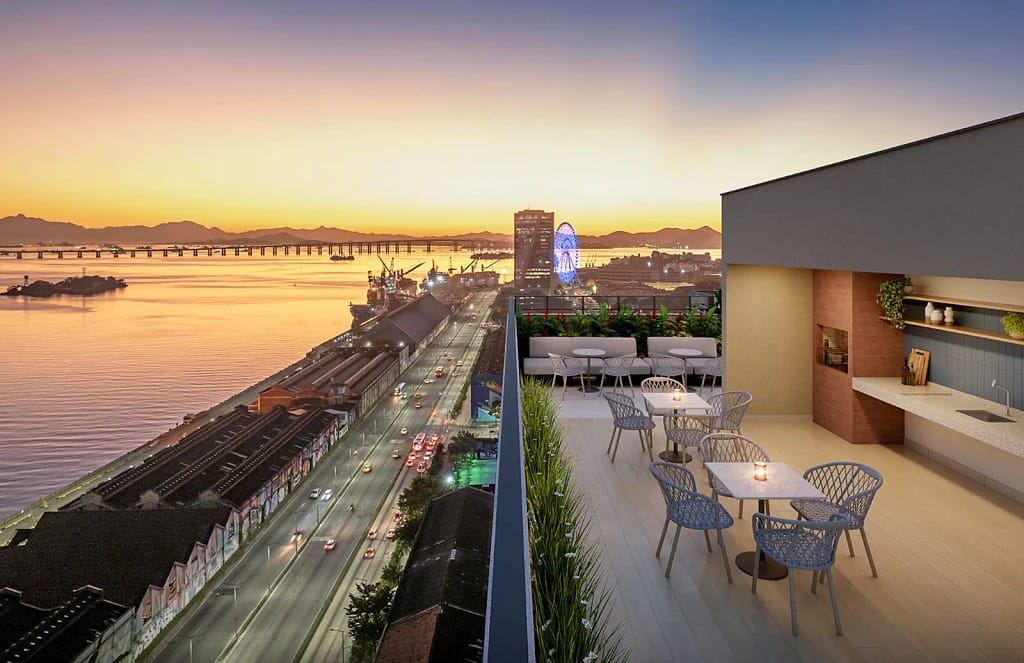
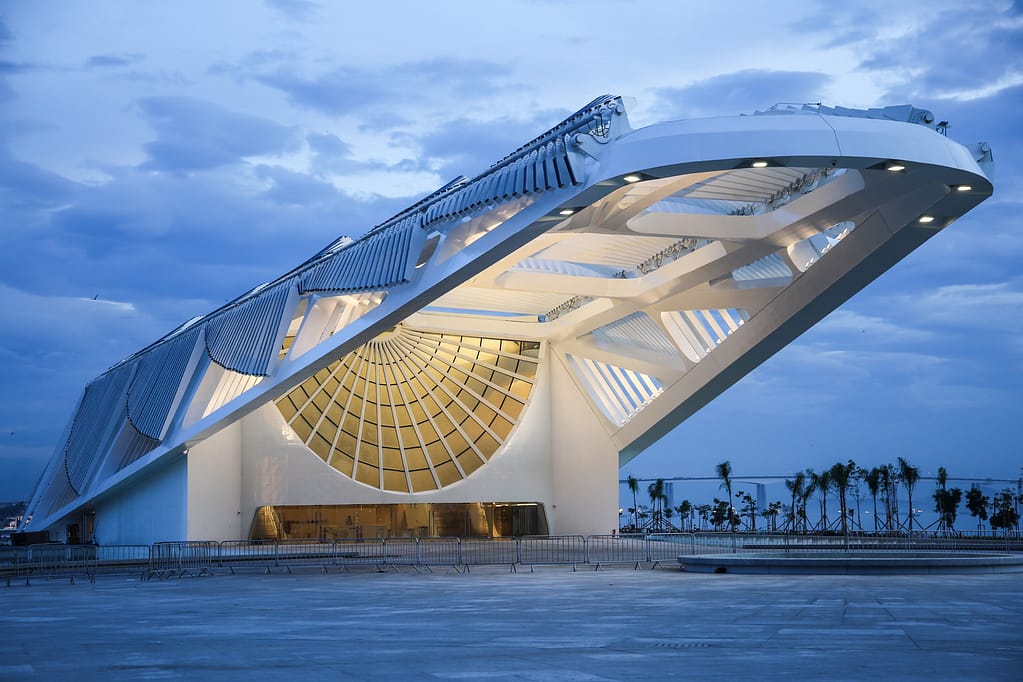
The area’s cultural and touristic weight also helps sustain the appreciation: the Museum of Tomorrow, the Ferris wheel, AquaRio, Valongo Wharf, Quinta da Boa Vista park, and the VLT light rail network have transformed a former industrial dockyard into a destination with its own identity — culture, leisure, and mobility, all within a short walk.
The Compact Apartment Phenomenon
If there’s one symbol of the new Porto Maravilha, it’s the compact apartment. Units of 25 to 40 square meters — the now-famous studios — have gone from niche to protagonist in Rio’s real estate market. According to the Rio de Janeiro Housing Union (Secovi-Rio), sales of compact units more than tripled between 2021 and 2025, and the Santo Cristo–Porto Maravilha–expanded Downtown corridor leads that movement, with 3,707 transactions in the period — ahead of any other part of the city.
The most eye-catching data point, though, is this: price per square meter in Porto Maravilha now trails only Copacabana’s.
Who’s Actually Buying?
The answer is a far more diverse crowd than the “speculative investor” typically associated with up-and-coming neighborhoods. According to Secovi-Rio, the buyer profile in Porto Maravilha includes Brazilians and foreigners, young people, singles, childless couples, and older residents looking for a more agile, economical, and accessible way of living — many of them also eyeing rental income from the unit.
But perhaps the most telling data point is this: roughly 70% of real estate transactions in the region used FGTS funds (Brazil’s employee severance guarantee fund, which can be tapped for home purchases) — a strong indication that most buyers are acquiring the property to actually live in, not merely to speculate. That’s reinforced by Secretary Guerrante’s own observation that “lights on” in the apartments signal genuine occupancy, not empty investment units.
In other words: Porto Maravilha is attracting exactly the crowd every urban revitalization project dreams of attracting — not just short-term speculative capital, but people who genuinely want to live there. Young professionals working in the expanded Downtown who want to live nearby without depending on traffic. Childless couples looking for a practical, well-located unit. Older residents trading the upkeep of a large apartment for the convenience of a well-serviced compact one. And, increasingly, foreigners drawn by prices still competitive against other global cities with a similarly revitalized waterfront profile.
A Neighborhood Being Born Again
More than a hundred years after the first major urban intervention in the region, Rio’s Port Zone finally seems poised to become what it always promised: not just a renovated dockyard, but a genuine neighborhood, with people living there, lights on, local businesses springing up to serve new arrivals. As Hermolin puts it, “after the first deliveries, the cycle of shops and services immediately begins, to serve the population that starts inhabiting that place.” Porto Maravilha is no longer waiting for the future to arrive — it is, right now, one of the fastest-growing real estate markets in Brazil.