


The Palm That Could Fuel a Beauty Boom — Or Break a Forest

In a corner of Bahia’s Atlantic Forest, a small palm fruit sits at the center of a big question: can traditional communities cash in on global demand without cashing out the ecosystem that makes it possible?
eyesonbrasil
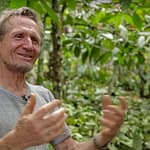
Amsterdam, July 22, 2026 – Visiting the Tupinambá de Olivença Indigenous Territory in Acuípe de Cima, Bahia, Brazil, we were confronted with a classic tension in development economics: how do we balance community led bioeconomy development with ecosystem conservation?
The territory is home to the piaçava palm (Attalea funifera). Traditionally, piaçava has been harvested for its leaf fiber, a largely non-destructive extractive activity practiced by traditional Bahian communities for generations. More recently, oil extracted from its seeds has attracted interest from the cosmetics industry. Demand for natural botanical ingredients has been particularly strong in South Korea, where they are increasingly incorporated into global K Beauty supply chains. While commercialization could generate significant income for traditional communities, harvesting a keystone species at scale may trigger unintended ecological consequences in the highly fragile Atlantic Forest.
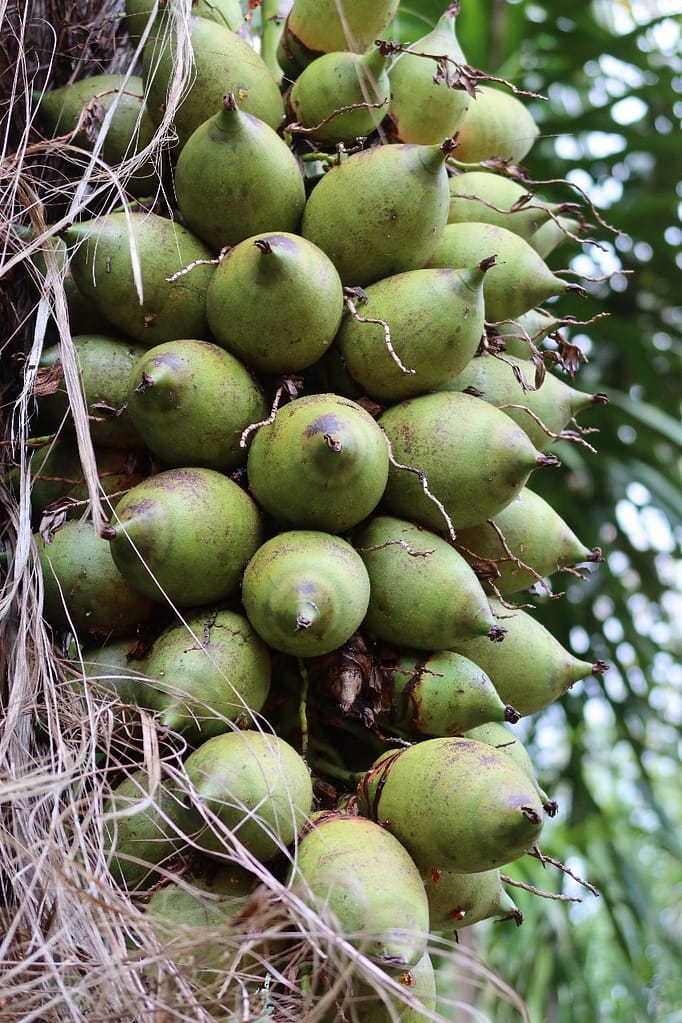
Piaçava fruits are an important food source for wildlife and play a critical role in seed dispersal and forest regeneration. Unsustainable harvesting could reduce wildlife populations, disrupt the ecological relationships that enable new palms to establish, and create cascading effects throughout the food web, including impacts on predators and other plant species. Overharvesting may also degrade habitats through soil compaction, erosion, and damage to forest vegetation, while reducing the genetic diversity and long term resilience of piaçava populations.
The lessons I learned in Acuípe de Cima are clear: a successful piaçava based bioeconomy must ensure that sufficient fruits remain in the forest to sustain wildlife, ecological processes, and the health of the Atlantic Forest for generations to come. International demand for piaçava oil should not drive a transition from sustainable wild extractivism toward monoculture style plantations. Experience from other tropical regions has shown that such pathways too often result in habitat loss, biodiversity decline, and ecosystem degradation.
Encouragingly, the communities we visited in Bahia are already favoring agroforestry integrated management systems, similar to the traditional cabruca model, rather than monoculture conversion. This is exactly the kind of pathway we should be promoting: one that recognizes biodiversity not as a constraint to development, but as a source of long term economic value and resilience. In the end, the most valuable ingredient may not be the oil itself, but the assurance that its production helps sustain thriving forests, abundant wildlife, vibrant indigenous and traditional communities, and regenerative economy. In that spirit, my gratitude to our strategic partners, such as Conexsus – Instituto Conexões Sustentáveis and Tabôa Fortalecimento Comunitário, which are helping champion, demonstrate, and amplify these approaches across the Atlantic Forest landscape!